Expanded polystyrene (EPS) is widely used around the world for protective packaging, insulation, and food transport. Its lightweight structure makes it highly effective for protecting products, but it also creates challenges for waste management. Because EPS contains up to 98% air, large volumes of foam waste occupy significant space in landfills and transportation systems. The EPS compactor has become an important solution that allows industries to efficiently recycle this material and convert bulky foam into reusable raw material.

Globally, EPS production exceeds 10 million metric tons annually, with approximately 70% used in packaging applications and around 25% used in building materials. These sectors generate substantial amounts of post-consumer foam waste during transportation, storage, and construction activities.
Packaging and logistics industries are among the largest sources of recoverable EPS waste. Protective foam used for electronics, appliances, and fragile goods is commonly discarded after delivery. Recycling programs have demonstrated that large quantities of this material can be recovered. For example, in North America alone, more than 61.6 million pounds of post-consumer EPS were recycled in 2022, representing about 31% of the material collected through recycling systems.

The seafood industry also generates a significant stream of EPS waste. Fish boxes are widely used to transport seafood because of their insulation and lightweight properties. In 2024, one recycling network collected about 33,000 tonnes of used EPS fish boxes, equivalent to over 50 million containers, showing the massive scale of EPS packaging used in the food supply chain.
Construction is another major sector contributing to EPS waste. Insulation boards and building components made from expanded polystyrene are widely used in modern construction because of their thermal performance and durability. As building renovation and demolition activities increase, the amount of recoverable EPS insulation continues to grow. Recycling systems supported by compacting equipment help capture this material and return it to the manufacturing cycle.
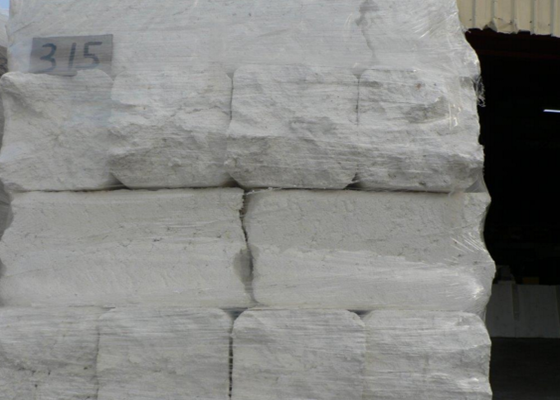
This is where the EPS compactor plays a crucial role. The machine compresses loose foam waste into dense blocks by applying mechanical pressure. Because EPS contains mostly air, compaction can reduce the volume dramatically, often by more than 90%. The compacted blocks are easier to store, transport, and sell to recyclers, making EPS recycling economically viable for many industries.
Once compacted, recycled EPS can be processed into pellets and used to manufacture new products such as plastic frames, stationery items, insulation materials, and protective packaging. Mechanical recycling technologies allow the material to maintain many of its original properties, enabling a circular use of resources.
EPS recycling is expanding worldwide. Reports show that 72 countries were actively recycling EPS in 2023, with many regions achieving recycling rates above 30%. As industries adopt compacting equipment and develop better collection systems, more EPS waste can be recovered instead of being sent to landfills.
By integrating an EPS compactor into waste management systems, industries can transform lightweight foam waste into a valuable recyclable material. This approach not only reduces transportation costs and landfill pressure but also supports a more sustainable circular economy for expanded polystyrene.