Foam plastic is a common and frustrating component of municipal solid waste. Items like protective packaging, takeaway containers, and insulation offcuts often end up mixed with everyday household trash. Because foam plastic is lightweight and bulky, it fills bins quickly, blows away easily during collection, and creates extra handling costs for transfer stations and material recovery facilities. A well-matched foam recycling machine can help cities and waste operators reduce volume, improve cleanliness, and turn foam plastic into a more manageable recyclable stream.
In municipal solid waste systems, the biggest barrier to foam recycling is logistics. Loose foam has very low density, which means trucks and containers reach capacity long before they reach their weight limit. This leads to “transporting air,” higher fuel use, and more frequent hauling. When foam plastic is contaminated with food residue, labels, or dirt, it also becomes harder to sell to downstream recyclers. That is why many operators focus first on preprocessing and volume reduction. A foam recycling machine is designed to take bulky foam plastic and convert it into denser output, making it easier to store and transport and more attractive for recycling partners.
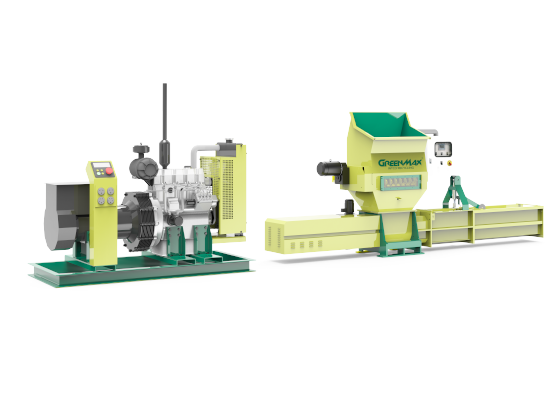
A typical municipal workflow starts with sorting. Foam plastic is separated from mixed waste using manual picking, screens, or optical sorting where available. After sorting, a foam recycling machine can process the material in one of several ways depending on the condition of the feedstock and the recycling goal. For relatively clean foam, densifying or compacting is often enough to reduce volume dramatically and prepare material for shipment. For dirtier streams, operators may choose systems that integrate shredding or work alongside washing equipment, allowing the facility to remove contaminants and improve the quality of the recycled output.
Using a foam recycling machine for municipal foam plastic can deliver several practical benefits. It can reduce storage space requirements at transfer stations, lower the frequency of pickups, and keep work areas cleaner by preventing foam from scattering. It can also support compliance goals by diverting more plastic from landfills. Most importantly, it makes foam plastic less of a nuisance and more of a standardized material stream.
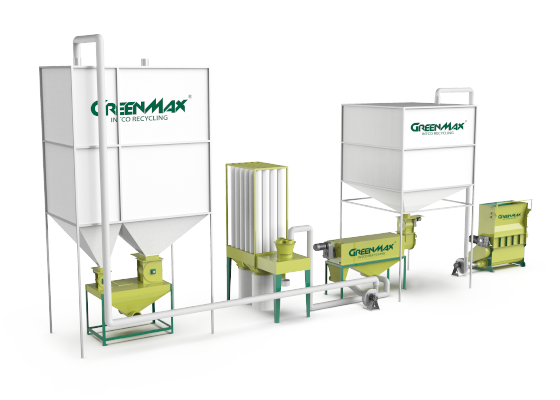
To succeed with foam plastic from municipal solid waste, it helps to follow a few best practices:
Focus on upstream separation to reduce contamination before processing.
Match the machine type to the foam condition and the intended recycled product.
Ensure stable feeding and consistent output packaging to simplify logistics.
Track volumes and hauling savings to quantify the return on investment.
As cities and waste operators face increasing pressure to improve diversion rates, a foam recycling machine offers a realistic pathway for handling foam plastic that would otherwise be landfilled. By turning bulky, low-density waste into dense, transportable material, municipal programs can reduce costs and move closer to a circular economy for plastics.