CirculationIn modern packaging, construction, and insulation materials, EPS (expandable polystyrene) is widely used for its lightweight, thermal insulation, and shockproof properties. However, the widespread application of this material has also brought significant environmental challenges, particularly regarding the recycling of EPS waste beads. EPS waste beads usually originate from pre-molded scraps, damaged products, or leftover particles during the production process. These seemingly insignificant waste materials can pose a huge threat to the ecological environment when they accumulate.Environmentl Issues of EPS Waste Beads

EPS waste beads have low density and large volume, making them difficult to decompose naturally. They can easily be blown into the natural environment by the wind, causing “white pollution.” In oceans and soils, EPS particles may be mistakenly ingested by animals, triggering a series of ecological risks. Furthermore, landfilling or incinerating EPS not only occupies land but may also produce toxic gases, endangering human health.Technical Paths for Recycling and ReuseCurrently, there are several methods for recycling EPS waste beads:
Thermal melting recycling: Waste beads are compressed into block materials through thermal pressing or melting, which facilitates transportation and reprocessing. This method can effectively reduce volume but consumes a relatively large amount of energy.
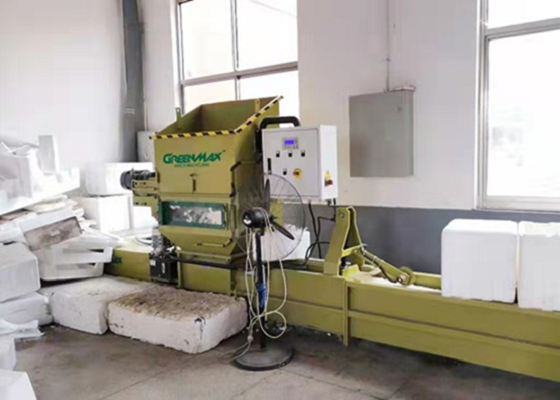
Cold pressing compression: This method mechanically compresses waste EPS into blocks without the need for heating, making it suitable for preliminary processing and temporary storage.
Dissolution recycling: EPS is dissolved using organic solvents and then precipitated and recovered. This method is suitable for industrial use, but attention must be paid to the environmental friendliness of the solvents.
Particle regeneration: Recycled EPS waste beads are crushed and cleaned to be remade into regenerated particles, which can be used to manufacture products such as hangers, photo frames, stationery, and building materials.
Recycling EPS beads not only helps to reduce environmental pollution, but is also a key part of promoting a circular economy. Through recycling, it not only saves raw materials, but also reduces the production cost of enterprises and drives the development of green industrial chain. More and more enterprises have begun to establish their own EPS recycling systems, and some regions have also introduced recycling incentive policies to promote the establishment of recycling networks.
Establish a classification and recycling system: strengthen the classification of waste beads and other garbage at the source to improve recycling efficiency.
Technology R&D support: Encourage enterprises and scientific research institutions to develop efficient and environmentally friendly EPS recycling technologies.
Public environmental education: enhance the public’s awareness of “white pollution” and reduce the waste of EPS products from the consumer side.
Government policy guidance: Formulate a clear recycling responsibility system, and give incentives such as tax exemptions and exemptions to recycling enterprises.
Recycling EPS waste beads is not only an environmental action but also a strategic task related to future sustainable development. Only through the joint efforts of the government, enterprises, and the public can we build a comprehensive recycling system, allowing these ‘small bubbles’ to embark on a path of green regeneration, achieving resource recycling and coordinated ecological development.