With the continuous upgrading of global manufacturing, an increasing number of metal parts are packaged using EPP (Expanded Polypropylene) during transportation and storage. This material is widely used in the packaging of high-value metal products such as automotive components, machinery, and precision instruments due to its excellent cushioning properties, pressure resistance, and reusability. However, the resulting waste from EPP packaging is also on the rise, and if not properly managed, it not only wastes resources but also burdens the environment.To address this challenge, utilizing a Foam Densifier for recycling EPP metal parts packaging has become an efficient, eco-friendly, and cost-effective solution.
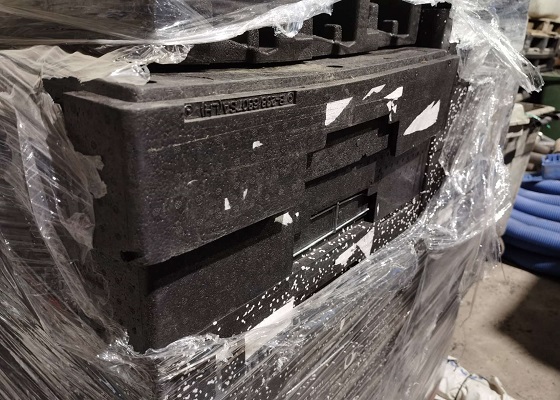
- Challenges in Recycling EPP Packaging
Although EPP has good recyclability, there are still several difficulties faced during the actual recycling process:Large volume and low density: The fluffy structure of EPP occupies a lot of space during transportation and storage, leading to high transportation costs.High risk of contamination: EPP packaging may be contaminated with oil, dust, or metal shavings, affecting the quality of subsequent recycling.Regular compression equipment is difficult to handle: Traditional compression equipment may not effectively process the elasticity and toughness of EPP.
II. Advantages of Foam Densifier in EPP Packaging Recycling
The Foam Densifier, especially models that use thermal melting or screw extrusion technology, has the following significant advantages:
1.High Efficiency in Volume ReductionThe Foam Densifier can crush, heat, and extrude large volumes of EPP waste, ultimately forming high-density ‘bricks’ of recycled material. The compression ratio can reach 90:1, greatly reducing transportation and storage costs.
2.Stable Processing EffectEven when faced with complex structures or EPP packaging that contains slight metal residues, the Foam Densifier can still operate continuously and efficiently. After pre-treatment to remove attached impurities, the machine can process materials stably, avoiding issues of jamming and low efficiency. - Recyclable MaterialThe EPP bricks formed through compression can be used as recycled plastic raw materials for injection molding, granulation, or creating new packaging products, helping companies build a closed-loop green supply chain.
- Practical application cases
An auto parts supply chain company uses a large number of EPP customized foams in its parts packaging. In the past, these packages were disposed of as garbage directly after use, which was not only wasteful, but also increased the cost of environmental protection. Since the introduction of Foam Densifier, the company has set up a centralized recycling point for EPP packaging, compresses the recycled foam, and sells it to downstream recycling plants, while also generating tens of thousands of yuan in recycling profits.
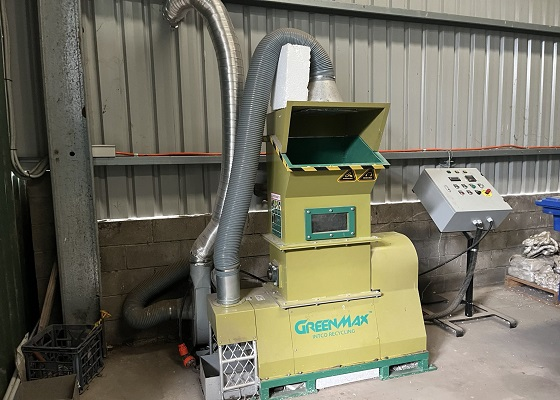
EPP metal parts packaging plays an indispensable role in industrial manufacturing, and the introduction of Foam Densifier provides a green, efficient and sustainable solution for its waste disposal. Driven by the “dual carbon” goal and circular economy, recycling EPP packaging is not only a manifestation of corporate environmental responsibility, but also an important step towards green manufacturing.