As environmental, social, and governance principles become more important in global business, companies are under growing pressure to manage waste more responsibly and use resources more efficiently. For industries that generate large volumes of foam waste, adopting a foam recycling machine can be a practical and measurable way to support ESG goals. Whether the waste comes from packaging, appliance protection, food containers, or industrial foam materials, recycling equipment helps businesses reduce landfill use, improve operational efficiency, and demonstrate a stronger commitment to sustainable development.
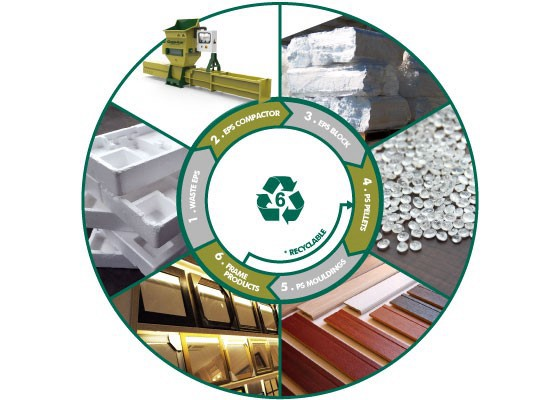
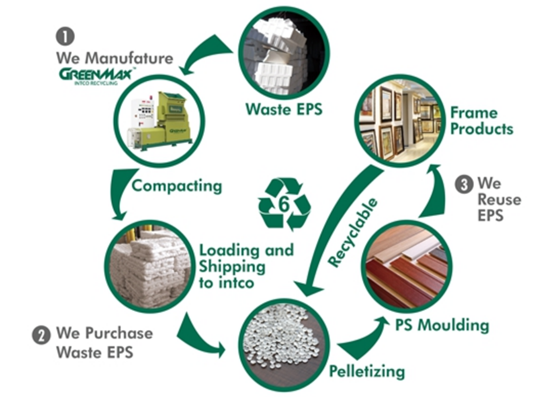
Foam waste is often misunderstood as difficult to recycle because it is lightweight, bulky, and expensive to transport in its loose form. In reality, foam materials such as EPS can be recycled effectively when the right equipment is used. A foam recycling machine makes this process much easier by compressing or densifying foam waste into a more manageable form. Once compacted, the material becomes easier to store, transport, and reprocess into new plastic products. This directly supports the environmental side of ESG by reducing waste volume, lowering transportation emissions, and decreasing the demand for virgin raw materials.
The ESG value of foam recycling goes beyond environmental protection alone. From a social perspective, companies that invest in recycling systems help create cleaner and safer working environments. Loose foam waste can quickly occupy storage space, create disorder in warehouses, and increase handling difficulties for workers. By using a foam recycling machine, businesses can keep their sites more organized and reduce unnecessary manual handling. This improves workplace efficiency and supports a more responsible operational culture. In addition, companies that actively recycle their foam waste often strengthen their reputation with customers, partners, and local communities, all of whom increasingly expect visible action on sustainability.
From the governance perspective, foam recycling also helps businesses turn sustainability goals into concrete action. ESG is no longer only about promises in annual reports. Investors, customers, and regulators now expect companies to provide clear evidence of how they manage resources and reduce environmental impact. Installing a foam recycling machine gives companies a practical system they can point to as part of their compliance, reporting, and long-term sustainability strategy. It shows that waste management is not being treated as an afterthought, but as part of a structured and accountable business process.
A good example of this approach can be seen in the use of a GREENMAX foam recycling machine by a company handling large quantities of discarded EPS packaging. Instead of sending used foam packaging directly to landfill, the company introduced a GREENMAX machine to compress the waste on site. Before recycling, the foam occupied a large amount of storage space and required frequent transportation, which increased both cost and environmental burden. After installing the machine, the company was able to reduce foam volume significantly and convert loose waste into dense blocks for easier shipment to downstream recyclers. These recycled materials could then be used in the production of new plastic goods, reducing the need for virgin petroleum-based resources. In this way, the company not only improved waste handling efficiency, but also helped conserve natural resources by keeping valuable plastic material in circulation.
In a world where ESG performance is becoming a key part of business competitiveness, foam recycling machines offer a simple but powerful solution. They help companies reduce waste, save space, improve operations, and support resource conservation. More importantly, they turn sustainability from an abstract concept into a visible, practical result. For businesses seeking meaningful ways to align daily operations with ESG principles, foam recycling can be an effective place to start.