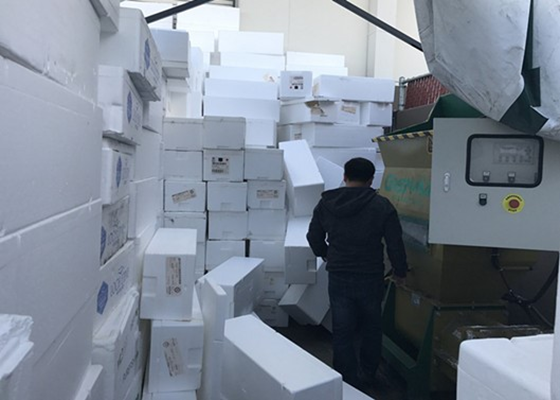
A well-maintained EPS compactor is the difference between steady, predictable densification and avoidable downtime. GREENMAX’s maintenance guidance consistently starts with the basics: keep the machine clean, keep moving parts protected, and catch small abnormalities before they become failures. In day-to-day operation, GREENMAX emphasizes routine cleaning after use—especially removing foam residues from the feed hopper, compression chamber, and discharge outlet—so buildup doesn’t affect feeding, pressure stability, or block quality. They also note that finished blocks should be collected and stacked neatly to support safer handling and smoother downstream logistics.
Daily care is most effective when it becomes part of the operator’s startup and shutdown rhythm. GREENMAX’s after-sales and maintenance guidance highlights regular visual inspections to spot early wear or damage, routine cleaning with appropriate tools, and correct lubrication of moving parts to reduce friction and premature wear. Before powering up, operational checks should confirm stable power supply and secure connections to prevent safety incidents and unplanned stops.
Preventive maintenance also means paying attention to “signals” the machine gives you. GREENMAX troubleshooting content points out that unusual noise around the reducer/fasteners is often linked to loosened bolts or nuts, and the corrective action is tightening to the proper condition or replacing damaged fasteners. Addressing these issues early protects transmission components and helps keep output consistent.
Alongside proper maintenance, GREENMAX EPS compactor equipment has practical design advantages that support long-term reliability. For example, the APOLO C100 technical data highlights screw compression technology with a 50:1 compression ratio, mechanical compression that is designed to be safe with no fumes and lower consumption, Siemens control for simpler operation, and the use of well-known components, with CE/UL/CSA standards referenced. The same series is positioned for efficient logistics—converting loose foam into dense blocks that are easier to store and transport—while GREENMAX also promotes repurchase/buy-back support for compacted material to help users build a more complete recycling loop.
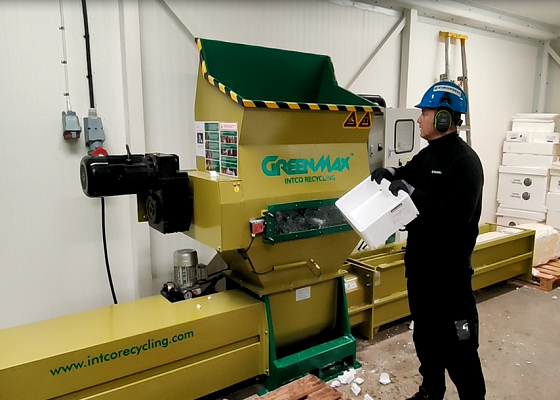
In practice, the best results come from pairing disciplined daily care with periodic checks, trained operators, and responsive parts/service support. GREENMAX explicitly frames maintenance as a way to maximize uptime and return on investment, which is exactly what most recycling sites need from an EPS compactor operating under real-world conditions.