Expanded polystyrene (EPS) is widely used in agriculture for fruit and vegetable boxes, seafood crates, and temperature-sensitive shipments. It protects products exceptionally well, but once it becomes waste, EPS turns into a logistics problem. Used boxes pile up quickly because EPS is mostly air. Even a small agricultural packing facility can fill large bins in days, and hauling those lightweight but voluminous loads is expensive. Many operations end up paying repeated collection fees or higher landfill charges simply because EPS takes up so much space.
An EPS densifier solves the core issue: volume. By compressing EPS into dense, stackable blocks, a densifier reduces the foam’s volume dramatically, transforming loose boxes into a compact material that is easier to store, handle, and transport. Instead of scheduling frequent pickups for overflowing containers, facilities can consolidate loads and ship densified EPS less often. This directly lowers transportation costs and minimizes the operational disruption of constant waste handling. It also helps reduce landfill-related fees, because fewer trips and better load efficiency translate into a smaller disposal budget.
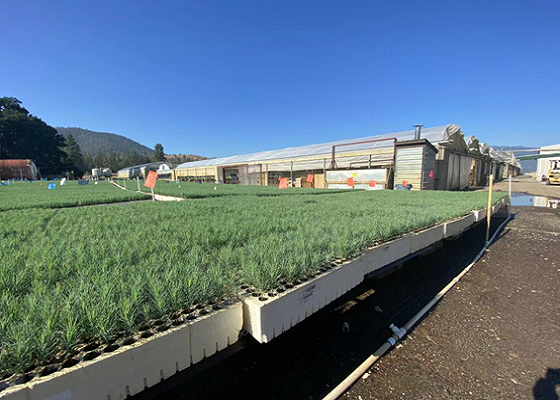
A GREENMAX customer in the agricultural sector provides a clear example of how densification changes the economics of EPS waste. The operation handled large volumes of EPS produce boxes every week, and the foam quickly consumed valuable floor space near receiving and packing lines. Waste bins overflowed, cleanup time increased, and hauling charges kept climbing because trucks were essentially moving “air.” After adopting a GREENMAX EPS densifier, the facility began processing used boxes daily. Loose EPS was fed into the machine and converted into dense blocks that could be safely stacked on pallets. Storage became organized and predictable, and the site reduced pickup frequency by consolidating what used to be multiple bulky loads into fewer, efficient shipments. With the material densified, the facility also found it easier to work with recycling partners, since compact EPS is far more economical to transport to recyclers than loose foam.
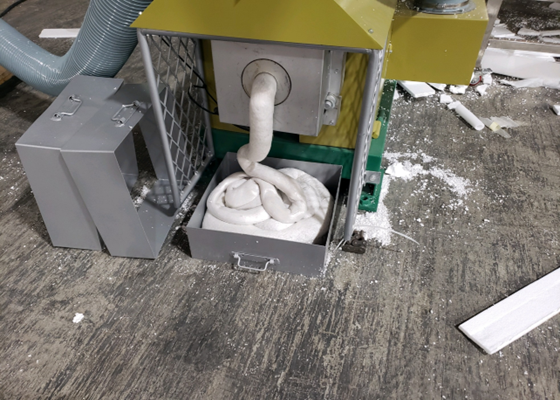
For agricultural businesses, the goal is not only sustainability—it is cost control. An EPS densifier reduces waste handling headaches and turns EPS foam from a disposal expense into a manageable, potentially recyclable resource. By cutting freight costs, lowering landfill fees, and improving site efficiency, densification offers a practical return on investment for any operation dealing with recurring EPS box waste.