Dewatering machine technology plays a key role in modern PET bottle recycling, especially when dealing with bottles that still contain liquid. In supermarkets, beverage plants, and recycling centers, large volumes of returned or expired drinks are collected in PET bottles that are only partly consumed. If these bottles go directly into the recycling stream without treatment, the residual liquids increase weight, raise transportation and disposal costs, and risk leaking, causing hygiene and odor problems. A dewatering machine is designed to solve exactly this challenge.
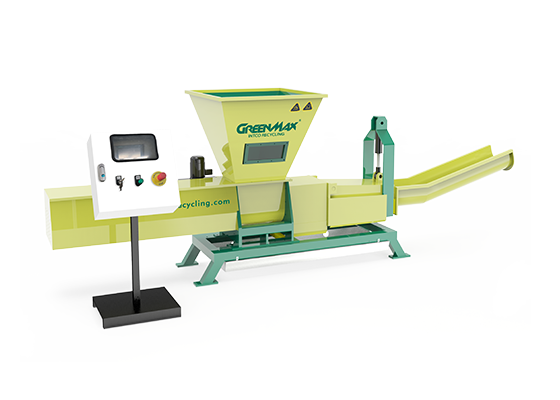
In a typical setup, collected PET bottles are first conveyed into the dewatering machine. Inside, rotating blades or a screw mechanism perforate and lightly crush the bottles, releasing any remaining liquids. At the same time, centrifugal force or mechanical pressing separates the liquid from the solid fraction. The liquid is discharged through drainage outlets or screens, while the now-empty and partially compacted bottles move onward to the next recycling step, such as further shredding, washing, and flake production.
Using a dewatering machine offers several key advantages. First, it significantly reduces the weight of PET waste by removing residual water, soft drinks, juices, or dairy products. This means fewer truckloads and lower transport costs for recyclers or beverage companies handling large quantities of returned products. Second, by draining the contents, it improves hygiene: no more leaky bottles, sticky storage areas, or fermenting liquids that attract insects and produce unpleasant odors. This cleaner workflow makes it easier to meet health, safety, and environmental requirements.
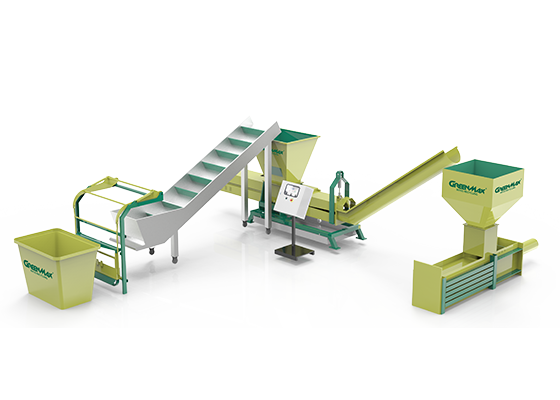
Third, the dewatering process increases the overall efficiency of PET recycling lines. Bottles that are already drained and partially compacted feed more smoothly into crushers and washing systems, reducing energy consumption and wear on downstream equipment. In many cases, a dewatering machine can be integrated directly after a bale breaker or conveyor line, forming an automated system that handles liquid-filled bottles without manual emptying.
From an environmental perspective, the benefits are also clear. Without dewatering, liquid-filled PET bottles might be sent to landfill or incineration because of handling difficulties, wasting large amounts of recyclable plastic. With a dewatering machine, these bottles can be safely processed as a clean raw material for recycling, supporting a circular economy and helping companies reach higher recovery rates for PET packaging. At the same time, the separated liquids can be treated or disposed of in a controlled way, reducing the risk of spills and pollution.
In short, when dealing with PET bottles that still contain liquid, a dewatering machine is not just an optional accessory but a core part of a professional recycling system. It cuts costs, improves cleanliness and safety, and transforms problematic, heavy mixed waste into a manageable and valuable feedstock for high-quality PET recycling.