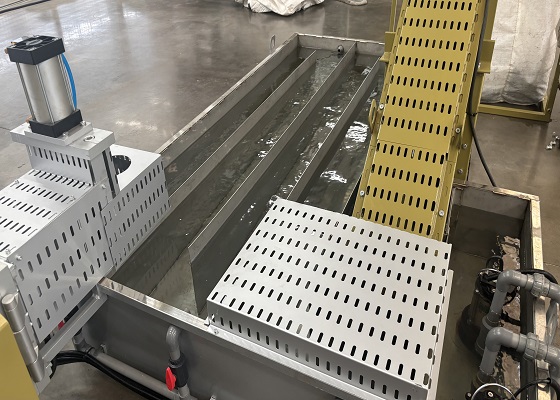
In the context of increasing global emphasis on environmental protection and resource recycling, how to effectively recycle and reuse expanded polyolefin (EPO Foam) has become an important issue facing many industries such as packaging, electronics, and automotive. EPO is widely used due to its excellent cushioning properties, durability and light weight, but if it is not disposed of in time after disposal, it will cause long-term pollution to the environment. This article will explore an efficient and sustainable recycling method – using Foam Densifier to recycle EPO Foam.
EPO Foam’s Recycling Challenge:
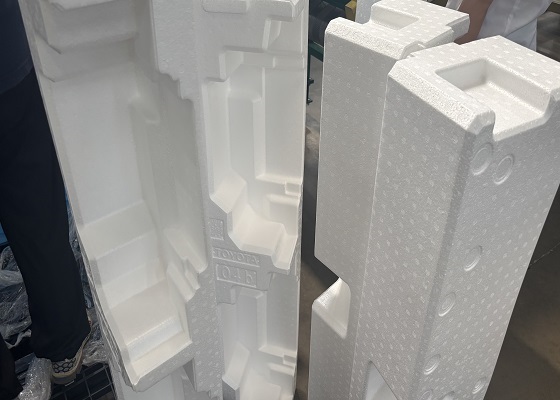
EPO Foam is similar to traditional EPS foam, but it has some difficulty in compression processing due to its higher density and flexibility. The main recycling difficulties include:
Bulky but low density: high transportation costs;
The material is tough and difficult to melt or crush directly;
There are many impurities, so it needs to be pretreated first.
As a result, traditional landfill or simple compression methods are no longer sufficient for efficient and environmentally friendly recycling.
How Foam Densifier works:
Foam Densifier mainly uses hot melt or screw extrusion technology to reduce the volume of foam plastics. For EPO Foam, hot-melt or biaxial spiral extrusion Densifiers are recommended, and the workflow is as follows:
Crushing: crushing waste EPO foam into small pieces;
Heating: softens the foam by means of a built-in heating system;
Extrusion compression: use a screw to extrude the softened EPO into high-density “bricks”;
Cooling forming: The final result is a recycled block that is easy to stack and transport.
Advantages of recycling EPO Foam:
Significantly reduce transportation and storage costs
The Foam Densifier can compress the volume of EPO Foam by more than 90%, turning the originally space-occupying foam waste into a compact block, greatly reducing storage and logistics costs.
Increase the added value of recycling
The compressed EPO bricks can be sold directly to plastic recycling plants, where they can be further used to make plastic pellets, plates, or recycled products, forming a closed loop of circular economy.
Green and environmentally friendly, reducing carbon footprint
Recycling EPO through mechanical heat treatment eliminates the need for chemicals and avoids secondary pollution, helping enterprises achieve carbon emission reduction goals.
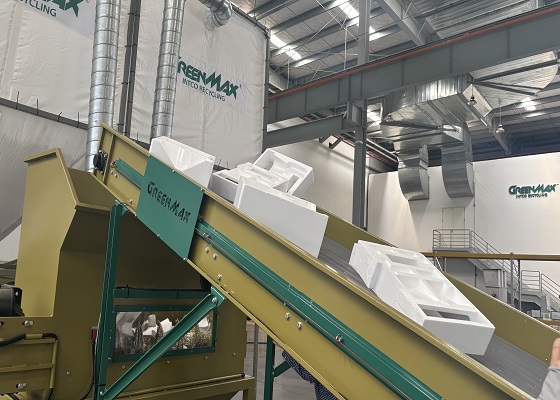
In an auto parts packaging company in Southeast Asia, the plant generates a large amount of EPO buffer material waste every month, which has been disposed of in landfills in the past. Since the introduction of the hot-melt Foam Densifier, it has reduced the volume of about 12 tons of waste EPO to 1.2 tons of recycled blocks per month, with a recycling rate of up to 90%, and generated about US$3,000 per month in revenue for companies through the resale of recycled materials.
With the tightening of environmental regulations and the increasing awareness of corporate social responsibility, the use of Foam Densifier to recycle EPO Foam will become a mainstream trend in foam plastic recycling. This solution is not only cost-effective, but also has good environmental benefits, making it an ideal choice for companies to move towards their sustainability goals.