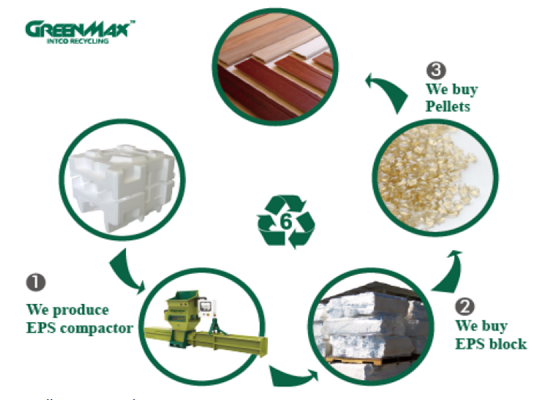
With the increasing awareness of environmental protection and the strengthening of regulatory policies, industries across the US are actively adopting advanced environmental technologies to reduce their negative impact on the environment. Expanded polystyrene foam (EPS), commonly known as foam plastic, is widely used in packaging, construction, food services, and other fields due to its lightweight, strong cushioning properties, and low cost. However, EPS is difficult to degrade, occupies a large amount of landfill space, and poses a significant challenge in solid waste management. Therefore, the application of EPS recycling machines is gradually rising in various industries across the US, becoming an important tool for green transformation.
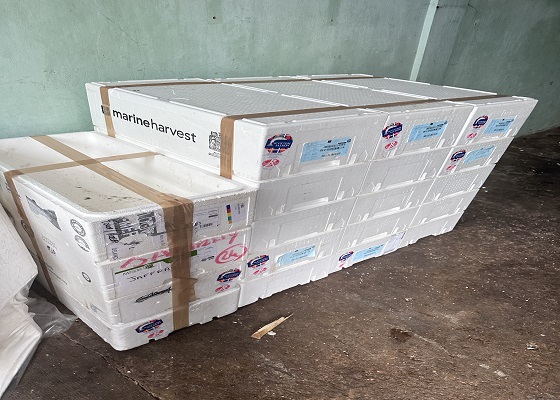
Food Service and Chain Restaurants: Eco-Friendly Choices in Response to Regulatory PressureSeveral states in the U.S. (such as California and New York) have gradually introduced regulations to ban the use of disposable EPS food containers. Against this backdrop, large chain restaurants like McDonald’s and Chipotle are gradually phasing out EPS utensils while establishing recycling and disposal mechanisms for the EPS materials that are still in use. Through small EPS recycling machines, these foam food boxes are collected, compressed, and some can even be transformed into products like recycled pencil holders and picture frames, reflecting an eco-friendly mindset of “from waste to product.”
Retail and E-commerce Industry: Addressing the Challenge of Packaging WasteIn the e-commerce and retail sector, EPS is commonly used for product shock-proof packaging. Companies like Amazon and Walmart generate a large amount of foam packaging waste annually. To reduce landfill waste, these companies are gradually introducing EPS cold press machines or hot-melt recycling machines to compress foam into high-density blocks, making it easier to transport and reuse. Some companies have even established internal recycling centers to convert packaging waste into renewable resources using recycling machines.
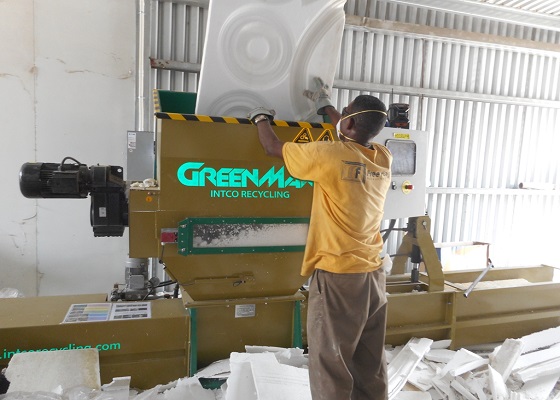
Construction Industry: Recycling Insulation Materials to Promote Green Buildings EPS is also a commonly used insulation material in the construction industry. In fields such as home construction, road engineering, and roof insulation, a large amount of waste is often generated from foam boards during construction. Construction companies have begun collaborating with environmental equipment suppliers to deploy mobile EPS recycling machines to process construction waste on-site. This approach not only reduces disposal costs but also decreases the carbon emissions that may occur during transportation.
Government and Community Projects: Promoting Public ParticipationMany cities have set up community recycling stations equipped with small EPS recycling machines for residents to dispose of old foam packaging. For example, Eugene, Oregon has launched a “Foam Recycling Day” event to encourage citizens to bring their discarded foam to the recycling station. In some areas, governments are also collaborating with environmental organizations to carry out recycling education and subsidy programs, further popularizing EPS recycling technology.EPS recycling machines are reshaping the way foam is handled.With technological advancements and increasing market demand, EPS recycling machines have become key equipment for promoting resource recycling and reducing solid waste in the United States. In the future, with the development of the recycled materials market and the improvement of recycling networks, EPS recycling will no longer be a problem but will become part of the green development across various industries.