The British government has confirmed that EPS straws and beverage blenders and cotton buds with EPS stems will be banned from being sold and used in England next April.
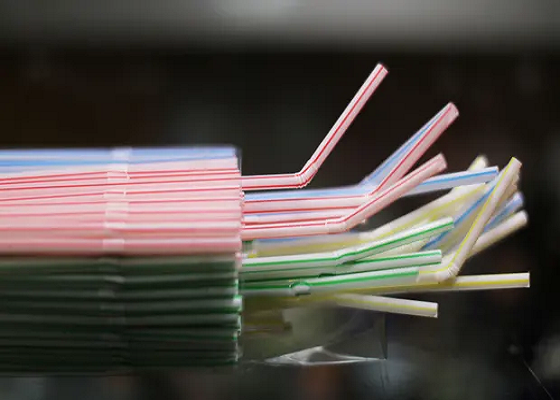
The move hopes to significantly reduce the waste and other environmental impacts of nearly 5 billion EPS straws currently used in the UK, as well as more than 300 million EPS blenders, close to 2 billion cotton buds with EPS stems.
A government consultation found that more than 80% of respondents supported the ban on the distribution and sale of EPS straws, while nine out of ten respondents wanted to ban the use of beverage blenders, and the same number of people supported cotton buds that were banned from EPS processing. But there are also some people who have questioned the voice, and the types of plastic that are banned are too few. Is this really good for the environment?
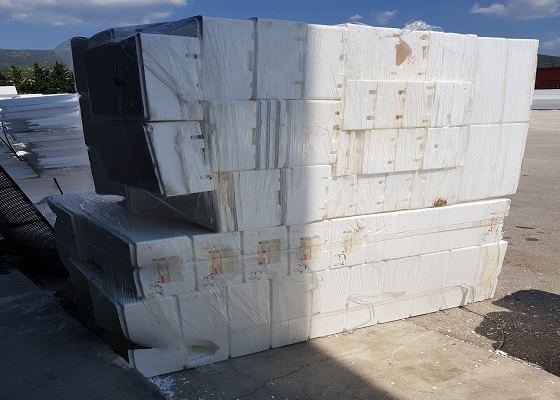
In fact, the most common type of EPS in everyday life is polystyrene, abbreviated as EPS. This EPS can be 100% recycled as long as it is not contaminated, like fruit trays, express packaging.
These EPSs tend to collect through layers and reach the EPS recycler. EPS recyclers have a professional EPS recycling machine, GRRENMAX A-C100, an EPS compactor that compresses EPS in a 50:1 ratio and uses the screw to squeeze the air out of the EPS, like marshmallow. Turned into marble.
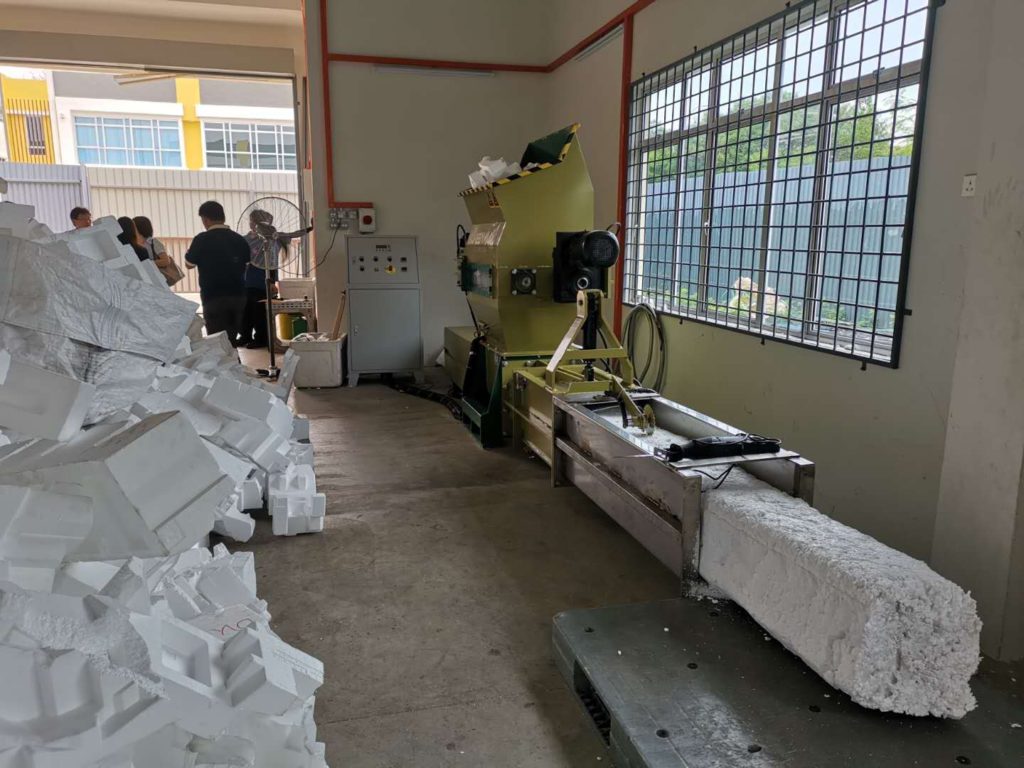
The recycled EPSs from the recycling machine will become recycled EPS blocks, which can be easily transported and sold by the recyclers to the end market, and then made into photo frames, park benches, wood-like materials and so on.
Therefore, don’t be resistant to all EPS products, we can’t deny the convenience that EPS brings to our economy and life. People can refuse to use disposable EPS, and other EPS products will be handed over to the GREENMAX recycling machine.