“Styrofoam” is commonly used as a catch-all term for expanded polystyrene foam (EPS), a lightweight material widely found in protective packaging, cold-chain boxes, and many building-related applications. It cushions products exceptionally well, but it creates a persistent waste problem for warehouses, retailers, manufacturers, and recyclers: EPS is mostly air. A small amount of weight can occupy an enormous amount of space, quickly filling bins and storage areas and making transportation inefficient. This is why a styrofoam densifier has become a practical cornerstone in modern foam recycling programs.
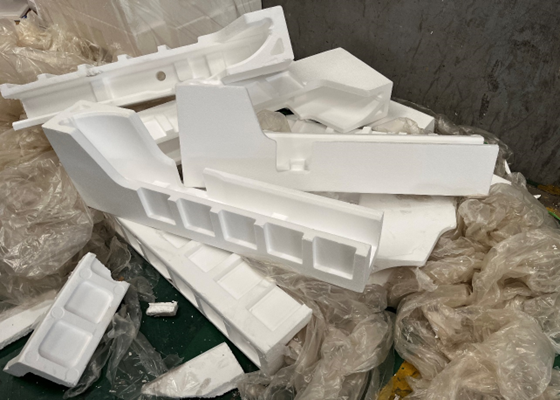
A styrofoam densifier is designed to compress loose EPS into dense, compact blocks or logs that are easier to store, handle, and ship. By removing the trapped air, densification can dramatically reduce volume, allowing facilities to consolidate material on-site and ship it to downstream recyclers at a fraction of the former logistics cost. For organizations that generate consistent foam waste, densification often determines whether recycling is feasible at all.
In real operations, the biggest advantage is simple: fewer pickups and fewer truckloads. Loose EPS may require frequent collections because it “maxes out” containers by volume long before reaching meaningful weight. Once densified, the same monthly output can fit into a much smaller footprint. This helps operations reclaim floor space, reduce clutter around docks, and improve workplace safety by minimizing blow-away debris and trip hazards. The densified product can be stacked on pallets, stored indoors, and loaded efficiently, creating a predictable outbound stream that aligns with typical recycling logistics.
A well-run styrofoam densifier program starts with segregation and cleanliness. EPS recycling works best when the material is kept free of food residue, excessive tape, labels, or mixed plastics. Many facilities place collection cages or bags near unpacking stations, where staff can break foam down and remove obvious contaminants immediately. When the densifier is located close to where the foam is generated, the process becomes part of normal workflow instead of an end-of-day cleanup burden.
The densification process itself typically involves feeding EPS into a hopper where it is crushed and compacted through mechanical force, often using a screw mechanism that continuously pushes material forward. Depending on the system design and operating settings, the output can be consistent blocks with stable surfaces that are easy to strap and transport. The densified EPS can then move into the next stage of recycling, where it may be shredded, reprocessed, and converted into products such as picture frames, architectural moldings, insulation-related items, or other polystyrene-based goods.
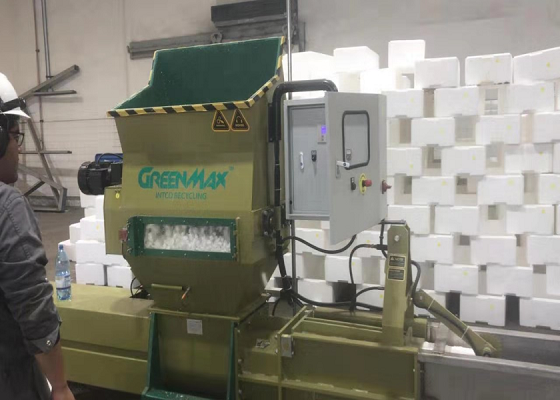
For many sites, the business case goes beyond landfill avoidance. Densified EPS has more predictable handling characteristics and is far more attractive to buyers than loose foam. In regions where end markets exist, densified material can be sold to recyclers or brokers, partially offsetting equipment and operating costs. Even when sales revenue is modest, savings from reduced hauling frequency, lower disposal fees, and improved warehouse efficiency can be significant.
Ultimately, a styrofoam densifier is not just a machine—it’s a logistics solution that makes recycling possible at scale. By converting a bulky, low-density waste stream into a compact, tradable form, densification helps organizations build reliable foam recycling routines, reduce operational friction, and keep valuable polystyrene resources circulating instead of being discarded.