In many manufacturing plants, expanded polystyrene (EPS) molds are cut to create precise shapes for packaging, insulation, and protective cushioning. This cutting process generates a substantial amount of offcuts and defective molds, which are light in weight but very bulky in volume. If these EPS scraps are not managed efficiently, they quickly fill up storage areas and lead to high transportation and disposal costs. Using an EPS compactor to recycle cut EPS molds turns this challenge into an opportunity, converting low-density waste into dense, valuable blocks that can be reused as a raw material.
An EPS compactor works by first crushing the EPS molds into smaller pieces and then compressing them under high pressure through a screw or hydraulic system. The density of the material is increased dramatically, often from around 10–30 kg/m³ up to 200–400 kg/m³. This transformation is critical because compacted EPS takes up far less space, making it easier and more economical to store and transport. Instead of paying to send bulky waste to landfill, factories can stack neat, dense blocks that are ready for sale to recyclers or for use in new production processes.
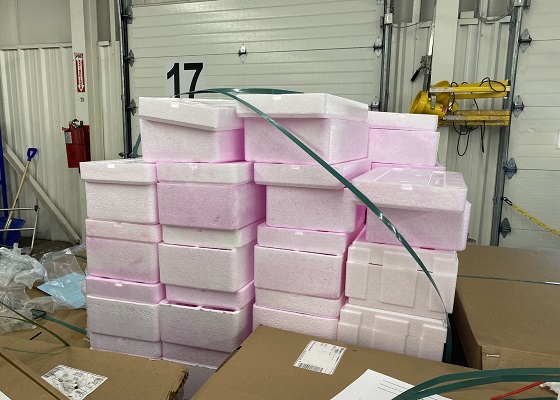
For companies cutting EPS molds on a daily basis, integrating an EPS compactor into the production line brings clear operational benefits. The machine can be positioned close to the cutting area so that scraps are collected and processed immediately. Workers no longer need to handle loose, floating pieces of foam or repeatedly compress bags of EPS by hand. The compactor creates a cleaner, safer workspace and streamlines the internal logistics of waste handling. By reducing the number of truckloads required, the plant saves on transportation fees and reduces emissions associated with hauling low-density material.
From an environmental perspective, the EPS compactor supports a more circular approach to resources.

Compacted EPS blocks can be granulated and turned into pellets that serve as raw material for new plastic products, such as picture frames, decorative moldings, or insulation boards. This extends the life cycle of the original EPS molds and decreases reliance on virgin petrochemical resources. Companies that adopt this approach are better positioned to meet stricter sustainability targets and demonstrate responsible waste management to customers and regulators.
In short, recycling cut EPS molds with an EPS compactor is both a practical and strategic choice. It reduces volume, cuts costs, improves workplace conditions, and creates a recyclable material stream instead of waste. By treating EPS offcuts as a resource rather than a burden, manufacturers can enhance efficiency and contribute to a more sustainable plastics industry.