With the improvement of global environmental awareness and the development of resource recycling technology, plastic recycling has become the focus of today’s society. ABS, as a common rigid plastic, has been widely used in electronics, automobiles, home appliances and other fields. However, due to its strong durability, it is relatively difficult to recycle. Therefore, using efficient recycling equipment to process ABS rigid plastic has become an important way to solve this problem. Rigid Plastic Shredder is a key equipment to solve this problem.
- What is a Rigid Plastic Shredder?
A Rigid Plastic Shredder is a shredder designed specifically for handling rigid plastics. It cuts plastic materials into small particles or fragments through a powerful blade system, making them easy to further recycle, reprocess or reuse. These devices are usually durable and efficient, and can handle a variety of rigid plastics, including ABS, PVC, PE, PP, etc.
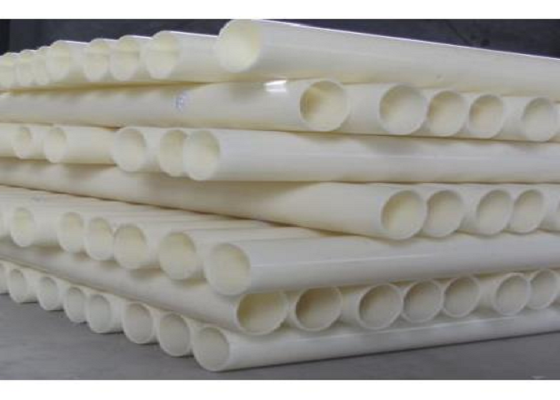
- Characteristics and recycling value of ABS rigid plastics
ABS plastics are widely used in automotive parts, electronic equipment housings, household appliances, toys and other fields due to their good toughness, impact resistance and processability. Although ABS has excellent performance, it is usually difficult to degrade after being discarded, causing an environmental burden. Therefore, it is crucial to recycle ABS plastics.
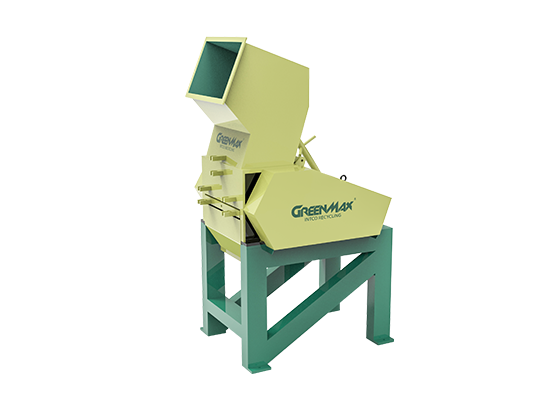
- ABS recycling process using Rigid Plastic Shredder
Recycling ABS rigid plastics with Rigid Plastic Shredder is usually divided into the following steps:
a. Collection and sorting First of all, recycled ABS plastic needs to be sorted to remove impurities and non-recyclable materials from it. Sorting is a critical step in ensuring the quality and efficiency of recycling.
b. Crushing The washed ABS plastic is fed into the Rigid Plastic Shredder, and the machine cuts the large pieces of plastic into smaller pieces by means of a powerful blade. This process not only significantly reduces the volume of the plastic, but also facilitates subsequent cleaning and reprocessing of the crushed plastic pellets.
c. Cleaning and removal of impurities Broken plastic particles need to be further cleaned to remove oil, dust or other impurities. Typically, separation is performed using a water stream or by centrifugal force.
d. Reprocessing and reuse The cleaned ABS plastic particles can be reprocessed by melt extrusion and other technologies to make new plastic products. At this point, the recycled ABS plastic can be used to produce new home appliance shells, car parts, and even for 3D printing.