Recycled foam is becoming an important raw material for making new plastic products, especially as more companies look for practical ways to reduce waste and protect the environment. Foam materials such as EPS, EPE and EPP are widely used in packaging, insulation, logistics and industrial protection. However, because foam is light and bulky, it often takes up large storage space and creates high transportation costs if it is not processed properly. When foam waste is collected, compacted and recycled, it can be transformed from a disposal problem into a useful resource.
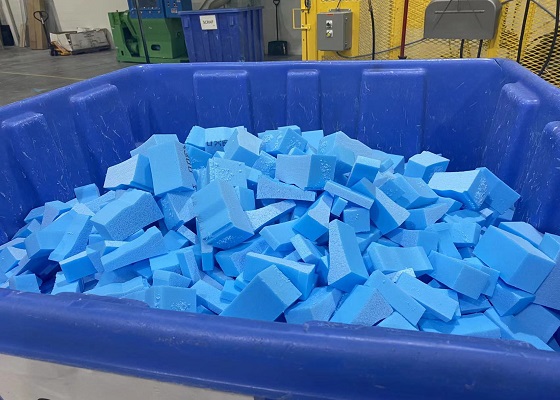
Using recycled foam as a raw material helps reduce the demand for virgin plastic. This means less petroleum needs to be extracted and processed, which can lower energy consumption and reduce carbon emissions during production. At the same time, recycling foam helps keep large amounts of plastic waste away from landfills and the natural environment. Since foam can remain in the environment for many years, recycling it is an effective step toward reducing pollution and supporting a circular economy.
Recycled foam can be processed into plastic pellets and then used to manufacture a variety of plastic products, such as picture frames, decorative moldings, hangers, insulation boards, office supplies and construction materials. These products give foam waste a second life and create economic value from materials that might otherwise be thrown away. For manufacturers, using recycled foam can also help control material costs while showing responsibility toward sustainable development.
A practical example is the use of a GREENMAX foam compactor in a packaging and distribution facility. The company generated large quantities of EPS foam from protective packaging every day. Before using the GREENMAX machine, the loose foam occupied too much warehouse space and required frequent transportation for disposal. After installing the GREENMAX foam compactor, the waste foam was compressed into dense blocks, greatly reducing its volume. These compacted blocks were easier to store, transport and sell to recycling companies, where they were further processed into recycled plastic raw material. As a result, the company reduced waste handling costs, improved warehouse efficiency and contributed to lower carbon emissions from transportation.
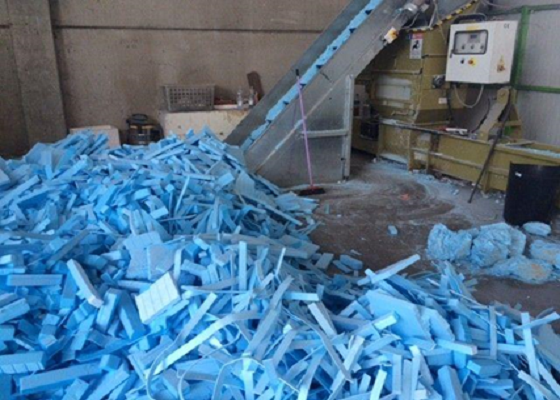
The environmental value of this process is clear. By recycling foam instead of sending it to landfill or incineration, companies can reduce greenhouse gas emissions, save resources and support cleaner production. Recycled foam is not simply waste; it is a material with real potential. With equipment such as GREENMAX foam compactors, businesses can turn foam waste into a valuable raw material and take meaningful action to protect the planet.