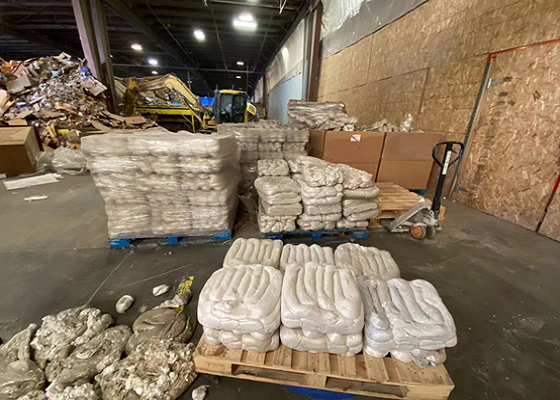
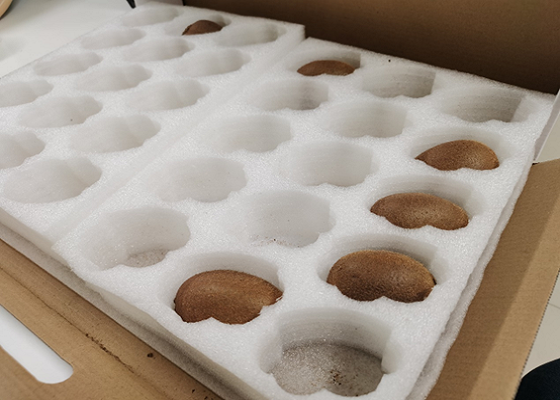
Expanded Polyethylene (EPE) foam is commonly used in fruit packaging due to its lightweight, cushioning, and water-resistant properties. However, EPE packaging waste presents a significant challenge for disposal and recycling because of its bulkiness and low density. Foam densifiers offer an efficient solution for recycling EPE waste. Here’s a detailed explanation of the process and its benefits.
1. Challenges in Recycling EPE Fruit Packaging
Bulky Nature: EPE foam occupies large storage space relative to its weight, making transportation inefficient and costly.
Low Recycling Awareness: Many businesses and individuals are unaware of recycling solutions for EPE waste.
Environmental Concerns: Improper disposal leads to environmental pollution, as EPE foam is non-biodegradable.
2. Role of Foam Densifiers
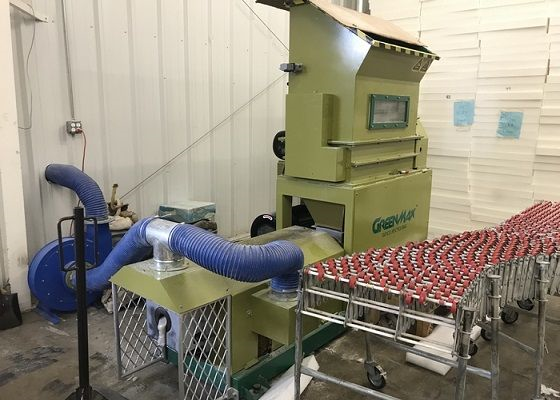
Foam densifiers are machines designed to reduce the volume of lightweight foam materials such as EPE. They transform foam into dense, manageable blocks or ingots, which are easier to store, transport, and recycle. There are two main types of foam densifiers:
Mechanical Densifiers: Compress EPE foam using mechanical pressure, reducing its volume significantly.
Thermal Densifiers: Use heat to melt the foam into a dense, semi-solid state.
Recycling Process Using a Foam Densifier
Collection and Sorting:
– Collect used EPE fruit packaging separately to prevent contamination with other waste.
– Remove labels, adhesives, and other contaminants.
2. Shredding:
– Shred the foam into smaller pieces to facilitate processing in the densifier.
3. Volume Reduction:
– Feed the shredded EPE foam into the densifier.
– The machine compacts or melts the foam into dense blocks or ingots, reducing its volume by up to 50 times.
4. Transportation:
– Transport the densified blocks to recycling facilities efficiently, minimizing logistics costs.
5. Reprocessing:
– At recycling facilities, the densified foam is melted and pelletized to produce polyethylene resin.
– The resin can be used to manufacture new products like packaging materials, insulation, or construction panels.
4. Benefits of Using Foam Densifiers
– Cost Efficiency: Reducing the foam’s volume significantly lowers storage and transportation costs.
– Environmental Sustainability: Diverts EPE waste from landfills, promoting a circular economy.
– New Product Creation: Recycled EPE resin can be used in various industries, adding value to what was previously waste.
5. Applications of Recycled EPE
Recycled EPE foam can be repurposed into:
– New packaging materials.
– Shock-absorbing layers in construction.
– Insulation products.
– Lightweight fillers in furniture or automotive components.
6. Recommendations for Businesses
– Invest in a Foam Densifier: Companies generating large volumes of EPE waste, such as fruit exporters, should consider installing a densifier on-site.
– Partner with Recyclers: Collaborate with specialized recycling companies to process and repurpose densified EPE blocks.
– Raise Awareness: Educate employees and customers about the importance of recycling EPE foam.
By leveraging foam densifiers, businesses can efficiently recycle EPE fruit packaging, reducing environmental impact and contributing to a more sustainable waste management system. If you’d like to explore suitable densifiers or recycling partners, feel free to ask!