Expanded polystyrene (EPS) fruit boxes are widely used in the agricultural field due to their lightweight and insulating properties. However, improper disposal of these boxes can cause serious environmental problems because EPS is non-biodegradable. An effective solution is to recycle them using EPS compactor, which not only reduces waste but also converts EPS into reusable materials.
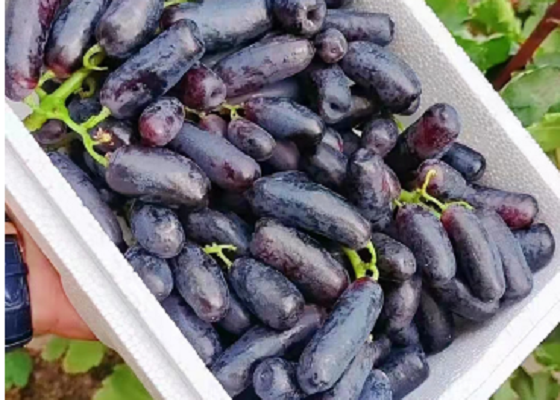
- Collection and preparation
The recycling process starts with the collection of used EPS fruit boxes from farms, markets and retailers. To ensure efficient compression:
Sorting: Separate clean EPS boxes from contaminated EPS boxes. Cleaning: Remove dirt, labels and residual organic matter to improve the quality of recycled materials. - Compression with EPS compactor
EPS compactor is a machine that compresses foam into dense blocks:
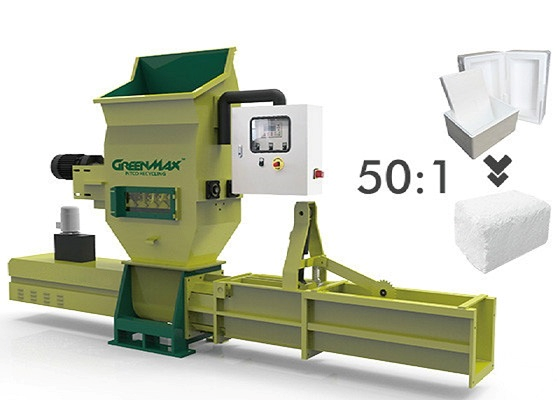
Volume reduction: GREENMAX EPS compactor can compress the volume of foam to one-fiftieth of its original volume, making storage and transportation more efficient.
Compacting process: The machine cuts the EPS into small pieces and then presses them into blocks through screw extrusion.
- Advantages of recycling with EPS compactor
Environmental benefits: divert EPS from landfills, reducing pollution and greenhouse gas emissions.
Economic value: Compressed EPS blocks can be sold to manufacturers, who reprocess them into new products such as insulation boards, photo frames, etc.
Space saving: The compacted form requires minimal storage space, reducing logistics costs.
Recycling EPS fruit boxes with EPS compactor is an effective and sustainable solution for managing waste and promoting a circular economy. By investing in this technology, businesses can reduce their environmental impact while generating economic benefits through material recovery.