On a global scale today, environmental protection has become one of the focuses of people’s attention. Excessive use and emissions of plastic products have caused widespread concern, including single-use foam (EPE) fruit packaging. The extensive use of such foam materials has caused serious pollution to the environment because they are often difficult to degrade and often become fatal traps for marine life.
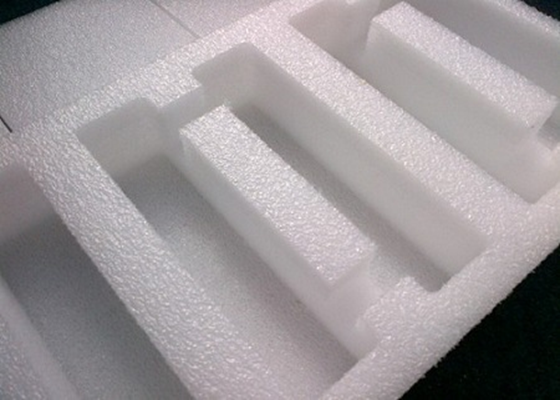
However, with the advancement of technology, we now have the opportunity to change this situation by using foam compactor to recycle EPE fruit packaging to achieve resource recycling and reduce the negative impact on the environment.
A Foam compactor is a piece of equipment specifically designed to compress foam materials into compact blocks. It can effectively compress large amounts of foam material into high-density blocks, thereby reducing its volume and making it easier to transport and store. The process of using foam compactor to recycle EPE fruit packaging usually includes the following steps:
First, used EPE fruit packaging needs to be collected and classified according to material type. This facilitates subsequent processing and recycling processes. The sorted EPE fruit packages are sent to the foam compactor for compression processing. The Foam compactor compresses the foam material into a solid block by applying high pressure, reducing its volume and facilitating subsequent transportation and storage.
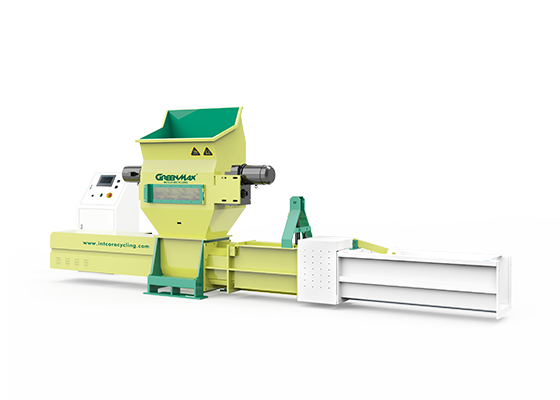
The compressed blocks can be reused to make new foam products, realizing resource recycling. GREENMAX recommends using the Zeus series foam compactor for compression, because this equipment can not only compress foam, but also heat-melt the surface of foam blocs to further enhance the compression effect. The compressed blocks can be further reprocessed to suit different application scenarios. For example, it can be made into building materials, packaging materials, etc., thereby extending its service life and reducing its impact on the environment.