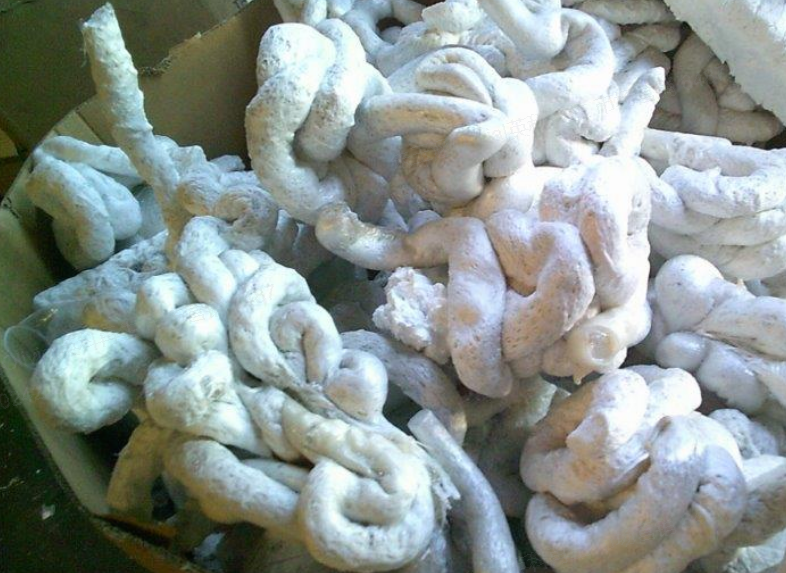
The application of plastic foam in production and life is actually quite extensive. Even after the usage in some fields decreases, the demand in other fields increases, achieving a dynamic balance. I still remember that under the impact of Covid-19 a few years ago, not only the transportation of people and materials was affected, but also the global foam application. With major economies such as China, India, the United States, Germany and Brazil declaring lockdowns for months, a severe decline in global economic activity has led to a sharp reduction in demand for these bubbles. Car production has been greatly affected. Closing production plants and reduced demand have reduced the EU car market by 20% this year, according to the European Automobile Manufacturers Association (ACEA). At the same time, the demand for foam plastic in the medical industry has increased significantly, especially the foam plastic packaging used in the transportation of drugs and vaccines.
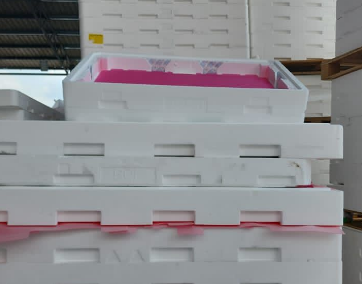
Polymer products are notorious for being non-biodegradable, especially when made from resins such as PU foam, PE foam and PS foam. According to Surfriders Against Sewerage, 320 million tonnes of plastic were produced in 2016 and this is expected to double by 2034. Additionally, foams have low resin content per unit volume, which limits their use in recycling plants: The main reason for this phenomenon is that most packaging is inflated and filled with air, which makes most plastic foam packaging bulky and difficult to store and transport. At present, GREENMAX has provided a detailed solution to this phenomenon, which not only makes foam plastic recycling simple, but also becomes cost-effective.
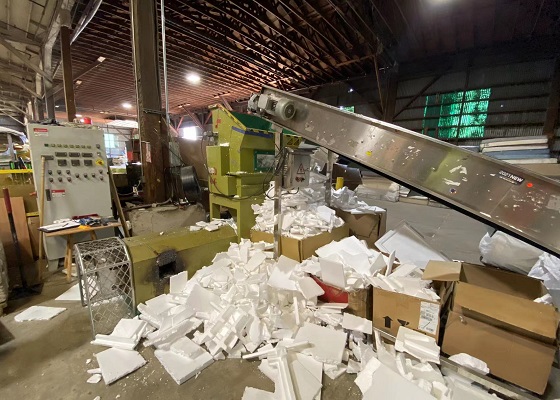
Using a suitable foam densifier for recycling will make recycling very simple. Just put the foam into the crushing bin of the foam densifier, and the foam will become uniformly sized fragments, and then automatically enter the hot melt system for heating and melting. The main purpose of this step is to reduce the foam volume, and then wait for the melted foam to be extruded. After cooling, it becomes a dense block, and the recycling is completed! But before recycling, you need to consult a professional engineer, the foam densifier can handle those foam. For example, PU foam cannot be compressed by hot melt. If you want to recycle it, you can use foam shredder and foam hydraulic compactor. GREENMAX can provide you with a recycling solution for free.