Recycling has always piqued Baker’s interest, but she really began to take it seriously around 15 years ago when she realized her daughter’s school lacked a recycling program. “It became really important to me to find ways and pathways for our children to not think that just because their lunch is packed with disposable items, that it’s not OK to just have single-use, and to be aware of everything that they were throwing away,” said Baker. The foam is most frequently used for coolers, egg cartons, to-go containers, meat packaging, and more. Although it contaminates recycling, it is frequently dumped into conventional recycling bins because consumers might think it is recyclable the same way cardboard or cans are.

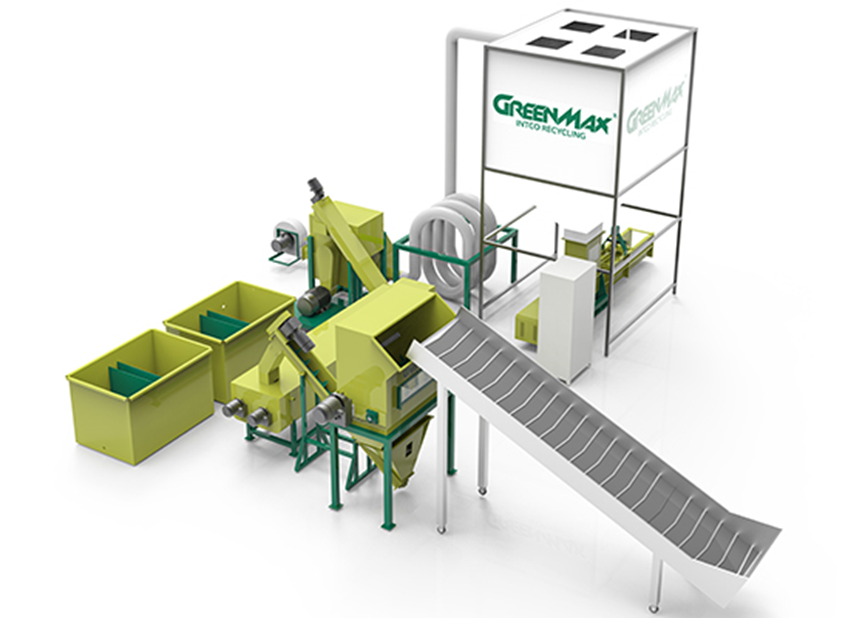
The school is indeed one of the places where foam is produced, just like the EPS lunch box we mentioned more, and the school can be used as a place to promote foam recycling, and it is also a good opportunity to educate students to pay attention to foam recycling. Students should be encouraged to put the used EPS foam lunch boxes in one place so that the staff can collect them conveniently. Many people may ask, can the used EPS foam lunch box really be recycled? In fact, it is possible. On the one hand, we can ask people to clean up before donating foam lunch boxes. On the other hand, we can use EPS foam cleaning equipment for recycling. GREENMAX EPS recycling system and EPS washing line can realize EPS cleaning and recycling .
At first, the GREENMAX EPS washing line is an EPS recycling system for used EPS foam that has been tainted. The EPS trash will be broken down into tiny bits, cleaned, dried, and then compacted into EPS blocks. GREENMAX also buys back contaminated EPS blocks. Italy and the United States have received the GREENMAX Recycling Washing Line Triton. So you don’t have to worry about dirty meal boxes that can’t be recycled.