In just 70 years, plastic, a cheap and convenient material, has become popular all over the world, and people are increasingly reliant on plastic, especially polystyrene plastic. It is undeniable that polystyrene plastics bring great convenience to people’s lives, but only a small number of people can consciously recycle polystyrene. Therefore, in recent years, microplastic pollution has become more and more serious, and it has now caused the attention of environmental and medical organizations.
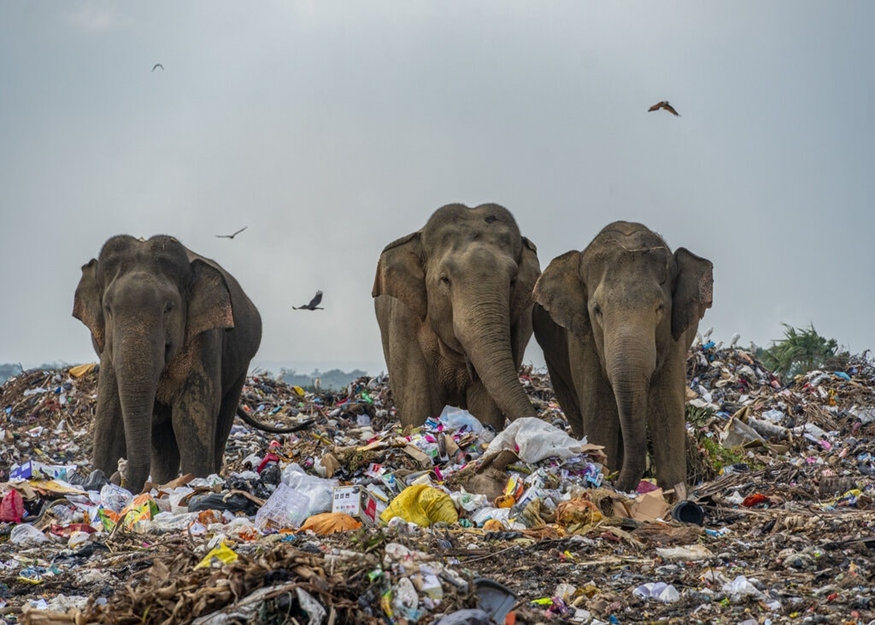
Microplastics come from a variety of different plastics. During the experiment of blood testing of volunteers, we found that PET microplastics were the most abundant in blood samples, followed by polystyrene microplastics. One-third of blood samples contain polystyrene. It can be seen that microplastic pollution has spread to humans.
The main way for microplastics to enter the human body is the polystyrene that is discarded into the ocean. After being broken, it enters the water cycle and organisms and then participates in the cycle of the ecosystem. More than 3 billion people worldwide rely on fish as their main source of protein and most fish ingest microplastics during their life cycle, eventually entering the human digestive system when we eat seafood. Research has shown that microplastics can actually be involved in circulation throughout the body.

We must stop the microplastic pollution produced by polystyrene in time, and it is a good choice to use a reasonable way to recycle polystyrene. Utilizing a polystyrene compactor is the first and key step in recycling polystyrene. No matter what operation steps are performed, volume reduction of bulky polystyrene is essential. GREENMAX polystyrene compactor can compress waste polystyrene to 1/50 of its original volume, saving freight and storage space, and at the same time being easy to manage. The compacted polystyrene is not easy to scatter and is clean and hygienic.
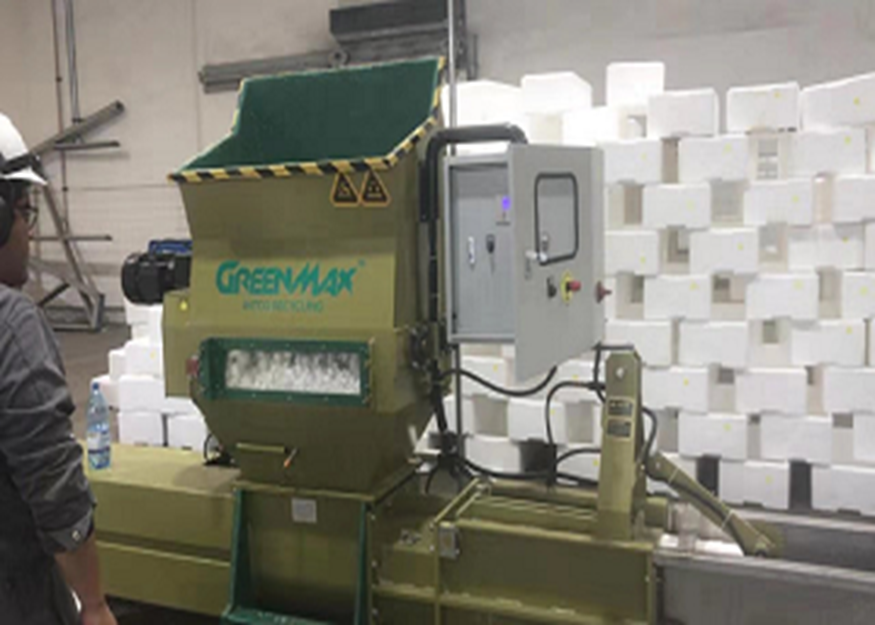
In order to ensure that polystyrene is completely recycled and prevent secondary pollution, GREENMAX Machinery will gradually extend the design and manufacture of recycling equipment into a complete polystyrene recycling system: Repurchase polystyrene for remanufacturing while supplying the machine. GREENMAX buys waste polystyrene to make environmentally friendly photo frames. GREENMAX has an independent frame production factory outside the machinery manufacturing factory, which is combined with a professional polystyrene recycling system to form a perfect closed loop of polystyrene recycling.
