Since the first appearance of EPS foam 70 years ago, the material has been widely used in various industries, especially in the packaging industry. However, with the development of technology, more and more emerging fields rely on this material, which makes it more important to human society than ever before.
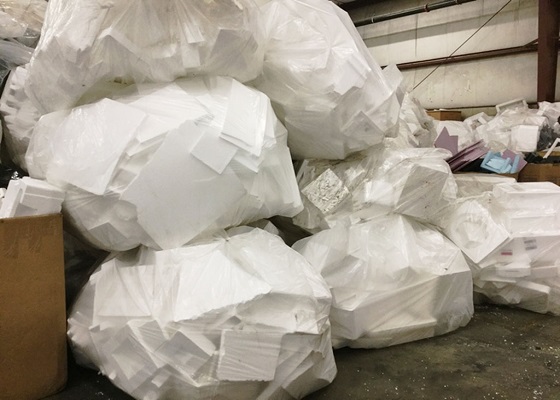
Using EPS foam as a sound insulation material is nothing new. Unfortunately, past attempts can only stop high-frequency noise, and the harm of low-frequency noise to human beings cannot be ignored. Low-frequency noise can cause serious health problems.
Now, the new nano plastic made of EPS foam has a noise absorption frequency as low as 0.5 – 1.6 kHz. The researchers collected a series of sound-absorbing foams every day and injected silicon and magnetite particles into each foam. The last step is to soak the sheet in liquid nanopowder and ultrasonic treatment before drying.
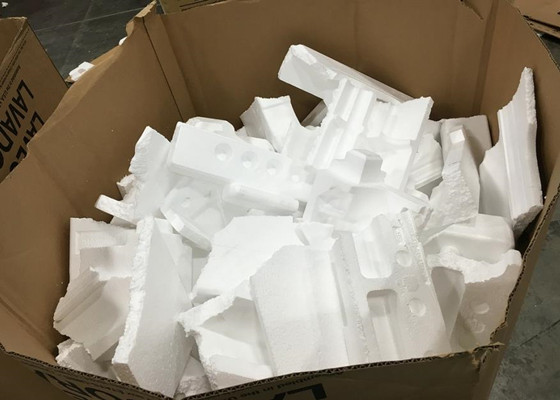
The resulting materials are similar to the widely used aerogels but are cheaper and more user-friendly. The future goal of nanofoam is to help one day absorb a lot of noise from one area to the whole community. However, the recycling problem of EPS foam has been bothering many people. Now EPS foam densifier solves this problem.
In order to improve the recovery rate of a large volume of foam waste produced by industrial requirements, GREENMAX EPS foam densifier can solve all problems while recycling EPS waste, without causing any pollution, its compression ratio is as high as 90:1, and will not cause any two pollutions.
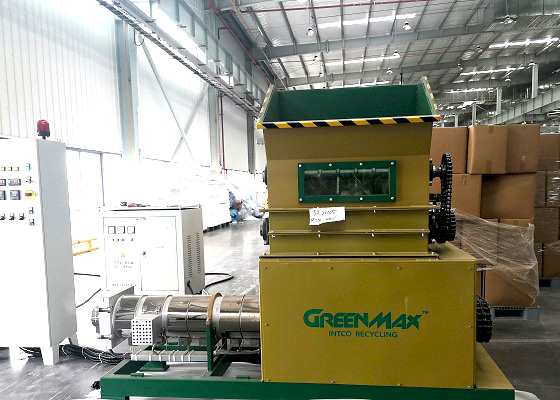
Nowadays, with the more and more extensive application scope of EPS foam, the utilization of EPS foam densifier has become very necessary. And the recycling system behind it is very reliable. We need more reasonable recycling methods to make the utilization of EPS foam green. Only in this way can the utilization of EPS foam be more in line with the concept of sustainable development.