We know that once an item with EPS foam packaging is delivered to the end user, the used EPS foam will become waste and will soon occupy a lot of space in the trash. Currently, thousands of tons of EPS foam waste are sent to landfills in Australia while no one think of EPS foam recycling.
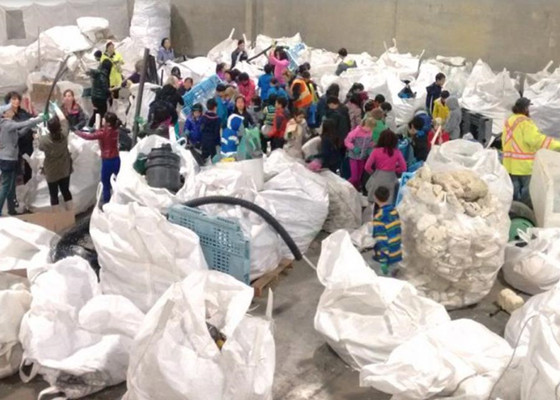
In 2011, less than 10% of EPS foam waste was recycled, which is one of the worst foam recycling rates in New South Wales. It is estimated that 12,000 tons of EPS foam waste will be disposed of in landfill each year, covering an area of 240,000 cubic meters.
Although the current EPS foam recycling still faces many difficulties, we are still helping to increase the EPS foam recycling rate in Australia. EPS foam waste waiting to be recycled must be separated from other materials. Ideally, EPS foam should be separated before entering the waste stream to avoid contamination of other items.
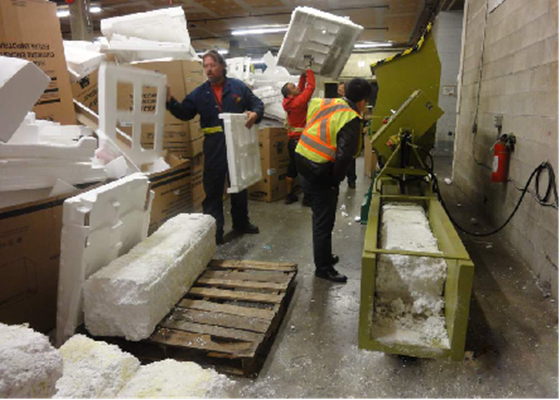
The collected EPS foam waste can be processed by a foam recycling machine. After the loose foam is crushed and compressed, the foam will become a valuable resource. This is the main way to recycle foam. The EPS foam hot melt machine can reduce its volume by up to 90% to form a dense material block.
After compacted and shaped by the foam recycling machine, these foam blocks are stacked on pallets and transported to the recycling plant. It can be turned into new products, such as hangers and building materials. In addition, what are the benefits of EPS recycling for sustainable development?

Economic perspective: Recycling EPS foam can reduce the frequency and cost of corporate waste disposal. Moreover, recycled EPS blocks can be made into a variety of products, thereby reducing the demand for original products. Products made from recycled foam materials are more energy-efficient.
Social and environmental protection perspective: The social and environmental benefits brought by EPS foam recycling are intangible, but they are becoming more and more important, because social and environmental factors have become necessary factors for sustainable development. Reducing the space in roadside bins and landfills is the most important benefit.