A few days ago, some scientists discovered that a new pollutant appeared in Lake West Superior – hundreds of thousands of micro-plastic fragments, the pollution regulator in Minnesota was confused.
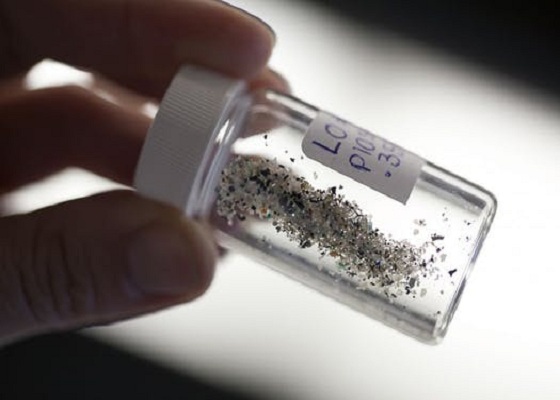
The exact source of micro-plastic remains a problem, and it is unclear how to measure their impact on humans, aquatic life and the environment. But EPS degrade very slowly, which means they can survive in nature indefinitely.
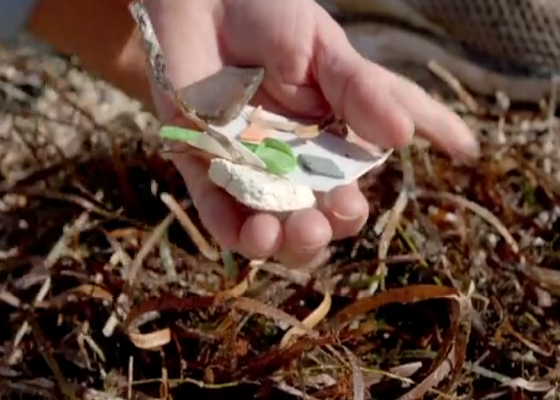
“This is a huge problem,” said Rep. Rick Hansen, DFL-South St. Paul, an influential legislator on environmental issues. “I haven’t found a person who wants to drink EPS.”
Before we find a way to completely solve the problem of EPS recycling, we can only reduce the EPS waste into the environment as much as possible. EPS recycling is one of the effective methods. INTCO Recyling, a veteran recycling company in California, has focused on EPS recycling for more than a decade and has developed three types of specialty recycling machines.
US recyclers can choose between hot-melt or cold-pressed recovery methods, and then choose different capacity machines that match the recovery. For example, the most classic EPS compactor A-C 100. This is a recycling machine that uses screw cold pressing technology to recover 100kg of EPS waste per hour.
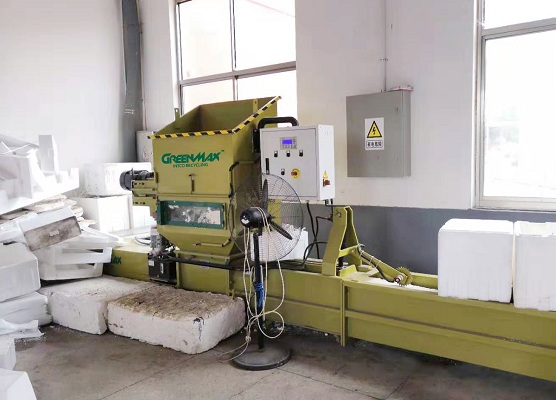
The EPS waste recovered by the recycling machine is greatly reduced in air content and converted into a high-density EPS block. The biggest advantage of the recycled EPS block is that recycling is profitable. A large number of end markets need to purchase EPS blocks as raw materials for products, such as wood-like materials manufacturing.
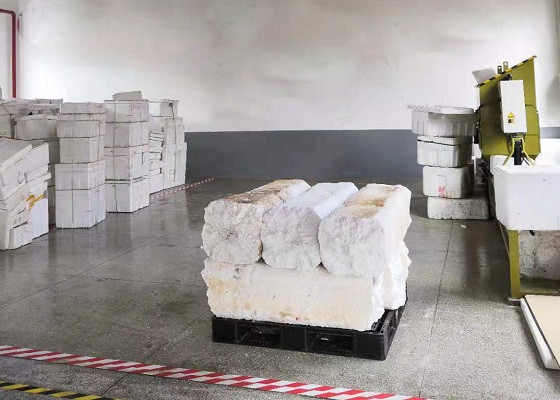
INTCO also promised to repurchase EPS blocks to provide a stable buyer for machine customers to promote the spread of EPS recycling solution.