On February 27th, The Royal Society published a new scientific study showing that polystyrene are already filling the deepest parts of the world’s oceanic trench, which largely indicates that there is no marine ecosystem in the world that has not been contaminated by polystyrene.

Although the media is spreading the environmental hazards of polystyrene products every day, it is recommended that people reduce the use of polystyrene, but polystyrene have good impact resistance, good insulation, low thermal conductivity, low cost of production, etc. Even if some governments charge high polystyrene handling costs, and even the release of polystyrene ban, people still have difficulty leaving the convenience of polystyrene.
Reducing the use of polystyrene is a good way to stop polystyrene contamination, but we should pay more attention to polystyrene recycling when people can’t leave plastic.
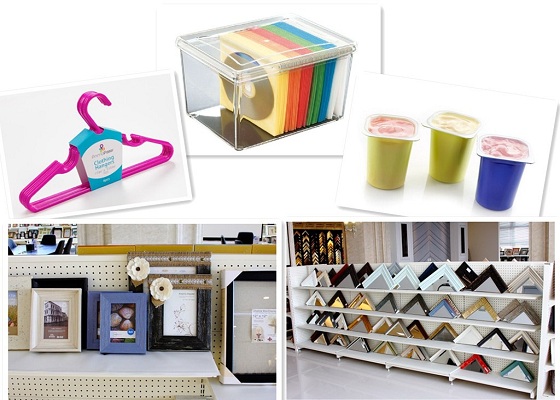
Polystyrene all most can be recycled, and Japan and some countries has a complete polystyrene waste recycling system. Through the cold pressing or hot-melting of the professional recycling machine, and then the recycled polystyrene become block can be repurchased to make photo frames, park benches and the like.
In the US, there is a recycling specialist company INTCO Recycling. It is a company that operates the polystyrene recycling industry and sells specialty polystyrene densifier machines such as the GREENMAX A-C100 cold press. INTCO Recycling has a long-term and stable cooperation with the company that purchased the machine. After the machine is sold, it is also responsible for purchasing the recycled polystyrene .
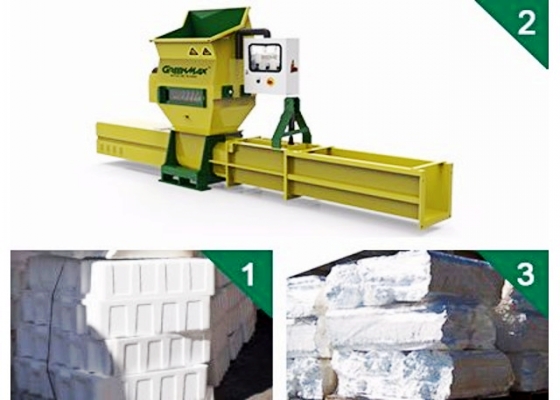
Therefore, if it is a company involved in a large amount of EPS waste, it is a good decision to cooperate with a company has a perfect plastic recycling industry.
The treatment of plastic pollution relies on the use of less plastic products it is not enough. Pay attention to EPS recycling is the long-term approach to pollution control.