EPS is a plastic material that has special properties due to its structure. Composed of 98 percent of air and 2 percent of polystyrene, EPS is extraordinarily light and can support many times its own weight in water. Because its cells are not interconnected, heat cannot travel through EPS easily, so it is a great insulator.
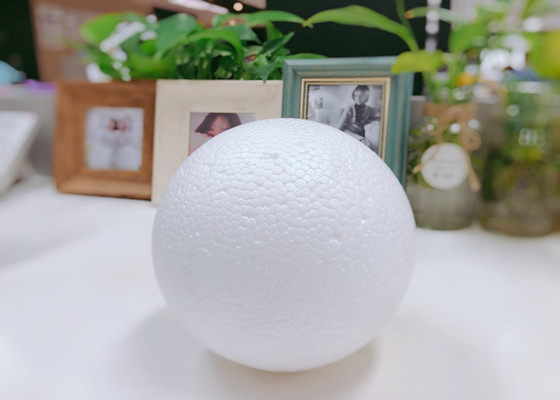
EPS is used in flotation devices, insulation, egg cartons, flats for meat and produce, coffee cups, plates, peanut packaging, and picnic coolers. Although it is generally called Styrofoam, Styrofoam is a trademark of Dow Chemical Company and refers specifically to a type of hard, blue EPS used mainly in boating.
Although EPS has many applications in our daily life, polystyrene foam has also been the talk of bans due to it being problematic in pollution to our environment. but despite a bad reputation for being unrecyclable, there’s a lot of solutions in the EPS reclaim front.
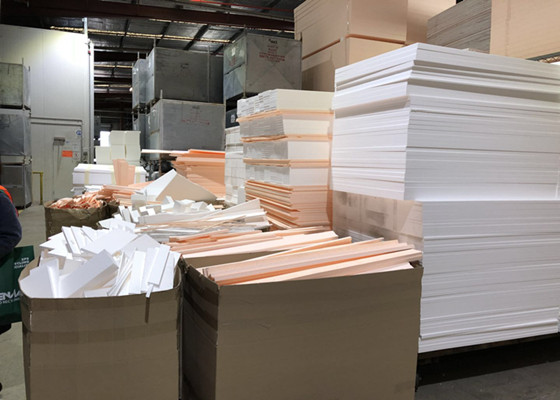
More than 118 million pounds of EPS were recycled in 2016, including 63 million pounds of post-consumer packaging and 55.7 million pounds of post-industrial packaging, according to the 2016 EPS Recycling Rate Report. Over the past decade, EPS has achieved an average recycling rate of 15%, one of the highest of the plastics family, according to the EPS Industry Alliance.
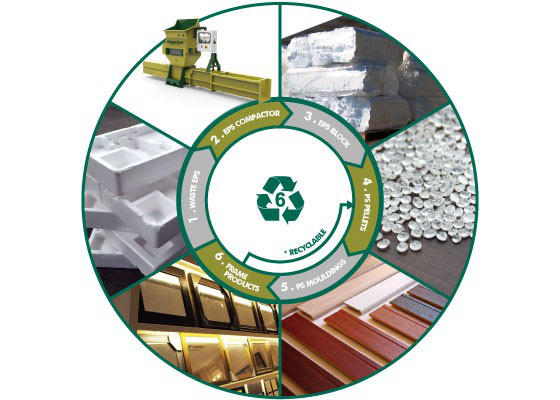
Recycling EPS with the high-technology recycling machine is the most prevalent way in the world. how do we deal with EPS with a recycling machine? A kind of recycling machine called a EPS compactor can help you recycle the waste. The machine is designed especially for Styrofoam recycling and it can work at a high ratio of 50:1 which means if you put 50m³ loose foam into the hopper, the machine will crush the foam into pieces and then compress the pieces into EPS blocks which are 50 times smaller than before.
Since you learned about the EPS and its recycling solutions, when you see this material in life, do not forget to recycle it instead of throwing it into the garbage. Let’s get starting recycling now.