styrofoam might not have the sexiest name, but expanded polystyrene(EPS) is truly a wonder material. This lightweight substance is crafted from petroleum-based polystyrene beads, which are stretched out during an intricate steaming and moulding process. The resulting product is 98 percent air, extraordinarily cheap to manufacture, and has widespread applications ranging from life rafts to fast food containers.
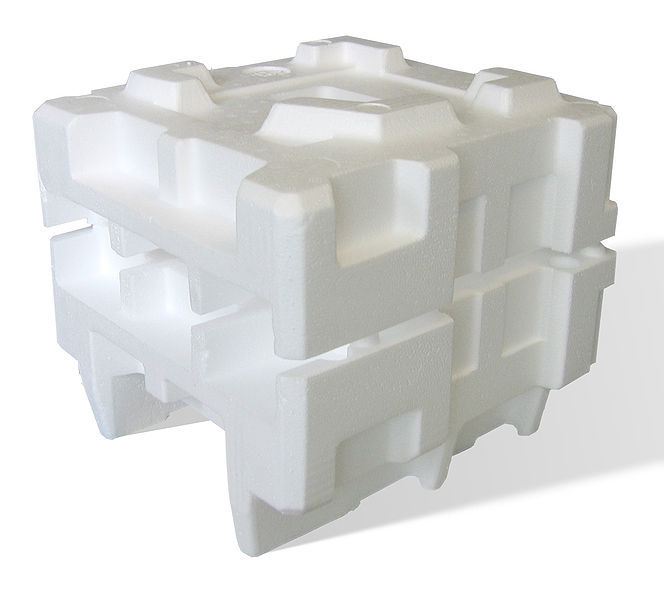
Unfortunately, the very qualities that make expanded polystyrene (EPS) such an ubiquitous, cost-effective material are also the reasons it has become an all-out environmental nightmare. So that’s why the expanded polystyrene foam recycling is still a thing.
Expanded polystyrene(EPS) is lightweight and breaks up easily. wind or rain can transport this EPS foam to storm drains and water bodies, where it breaks into small pieces that are nearly impossible to remove. When EPS foam and other types of plastic enter the environment, it slowly degrades into microscopic particles known as microplastics. These microplastics often absorb contaminants such as oil and grease, which may contain PCBs (polychlorinated biphenyl), PAHs (polycyclic aromatic hydrocarbons), and other toxins.

Due to this situation, EPS recycling seems more important. Recycling companies like INTCO has been committed to supplying solutions to recycle EPS for many years. GreenMax EPS recycling machines from INTCO are professional equipment which includes compactors and melters for recycling EPS. Recycled EPS can also be purchased back by INTCO. Because INTCO will use the recycled EPS to make frame products.
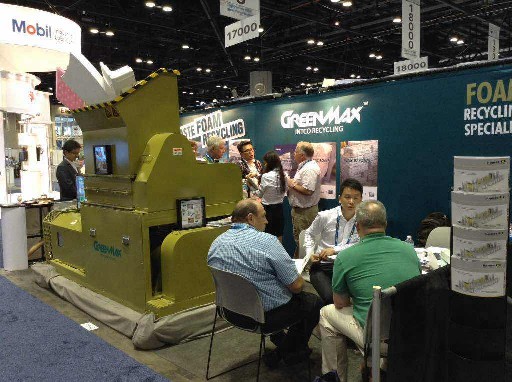
This is a recycable process which can effectively make full use of EPS foam materials. With these GreenMax recycling machines widely used, the environment problems caused by waste EPS foam may not bother people anymore.