According to the guardian of the UK in April 24th, scientists have found record plastic particles in the Arctic Ocean, and their potential impact on marine life and human health has aroused public concern.
Scientists say the impact of this level of plastic pollution on marine life and human health is uncertain.
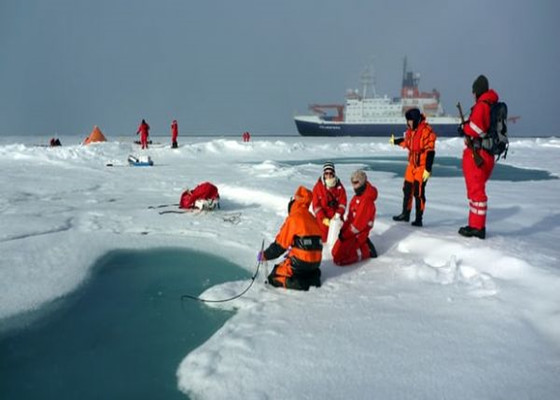
Marine plastic pollution is a far-reaching problem. At present, about five tons of plastic debris floating on the global sea. Fish and birds often mistook plastic for food. In this way, plastics damage a whole biological chain related to the ocean and enter the food chain of human beings.
Current studies have found a record level of EPS found in a region of the Arctic, which is considered to be a giant “garbage belt” from the Pacific. In addition, researchers found high concentrations of paints and nylon particles in another area of the Arctic, indicating an increase in transport and fishing activities.
The Wegener Institute also found that so much plastic is contained in the Arctic sea ice, which has become an important means of transporting plastic particles across the Arctic because of the movement and melting of the ice.
“Plastic particles were found in all samples taken from the Arctic core area. This indicates that plastic particles are ubiquitous in the surface waters of the global oceans. No one can be spared.
In order to reduce the plastic waste in the ocean, we have to recycle EPS.
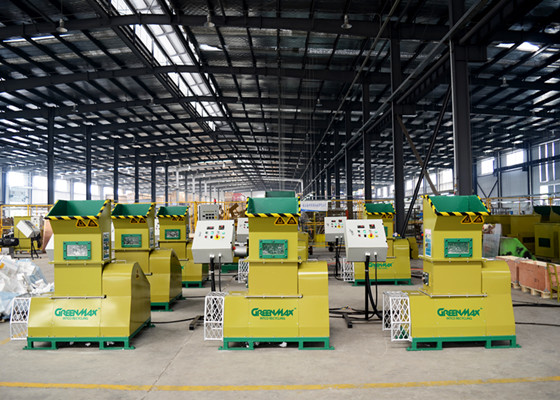
Established in 2008, GREENMAX plastic recycling machine from INTCO who are specialists in recycling, have recycling solutions which include polystyrene recycling, EPS recycling, Styrofoam recycling and ps foam cups recycling.
GREENMAX has already supplied different plastic solutions to more than 60 countries and regions till now. GREENMAX can help you reduce the ocean pollution and protect the environment. If interested, you are welcome to leave your comments.