Polystyrene (EPS) does not biodegrade. It can stay in our landfills and sewers for hundreds of years. EPS is almost impossible to clean up because when it gets wet it breaks down into smaller and smaller pieces.
Those tiny pieces have chemicals in them and they absorb 10 times more chemicals than other forms of plastic. So what you end up with are tiny little toxic balls of polystyrene that really never leave the environment.
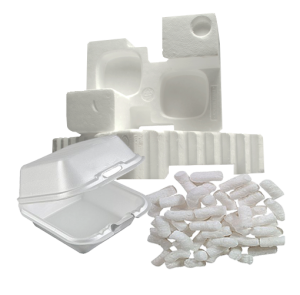
When the hard white foam breaks into tiny, almost invisible pieces, it can clog sewer filtration systems and find its way into fish that end up on someone’s plate for Friday night’s dinner at the local eatery.
EPS is actually a recyclable resource that is very well received in Europe. Not only recyclers want to join in the EPS recycling, but also the fish processing and home appliances companies which have large quantities of EPS are interested in the EPS recycling.
The first step of EPS recycling is volume reduction. Because EPS is large and difficult to manage especially for those who don’t have warehouses. So if you want to recycle EPS , a EPS compactor can be a good helper for you.

EPS recycling compactor can compress the EPS at a ratio of 50:1. It means the compressed EPS will be 50 times smaller than the loose EPS. The recycled EPS blocks can be stocked on the pallets and sold to other people to make other plastic products. A EPS compactor can not only reduce the foam volume, but also can prevent landfill which is harmful to the environment and animals and even Humanity.