Expanded Polypropylene (EPP), a lightweight, durable foam plastic widely used in automotive, packaging, and construction industries, presents unique recycling challenges due to its low density and bulkiness. However, advancements in EPP foam densifier technology have transformed waste management practices, enabling efficient recovery and reuse of EPP (scrap). This article explores the technical processes, environmental benefits, and a pioneering European case study demonstrating the viability of closed-loop EPP recycling.
Technical Process of EPP Recycling with Densifiers
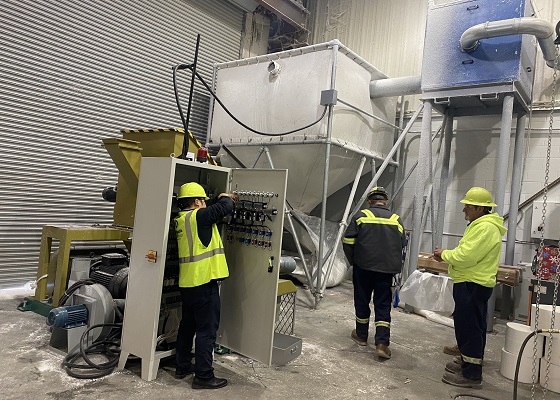
EPP recycling primarily relies on two types of densifiers: cold-compression compactors and hot-melt densifiers. Cold-compression machines crush EPP scrap into flakes and compress them into dense blocks using hydraulic pressure, reducing volume by up to 50:1 for cost-effective transportation. In contrast, hot-melt systems melt crushed EPP at 180–200°C, fusing particles into homogeneous pellets suitable for direct reprocessing. Both methods eliminate the need for landfilling or incineration, aligning with circular economy principles .
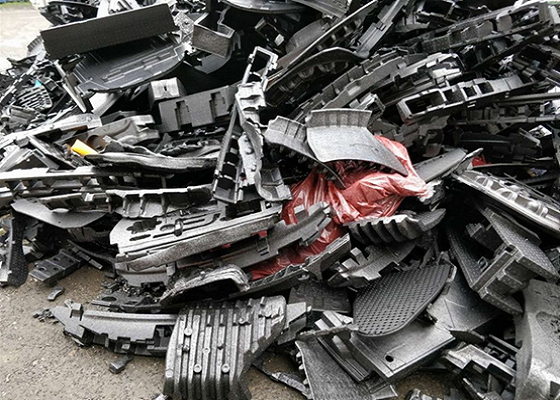
Recycled EPP pellets retain key properties like impact resistance and thermal insulation, making them ideal for low-visibility applications such as construction insulation and automotive underbody components. For instance, recycled EPP has been successfully repurposed into non-woven fabrics for protective gear and waterproof coatings, demonstrating its versatility beyond original use cases .
Environmental and Economic Incentives
The environmental impact of EPP recycling is substantial. By diverting scrap from landfills, densifiers reduce methane emissions and conserve fossil resources. A life-cycle analysis shows that recycled EPP production emits 12% less CO₂ compared to virgin material, with energy savings of up to 80% during manufacturing. Economically, European regulations like the Packaging and Packaging Waste Regulation (PPWR) further drive adoption by mandating 70% recyclability for plastic packaging by 2030 and imposing fines for non-compliance. These policies create a robust market for recycled EPP, with prices stabilizing at €1.20–1.80 per kg, competitive with virgin resin costs .
Challenges and Future Outlook
Despite progress, EPP recycling faces hurdles such as contamination from adhesives or mixed plastics, which require advanced sorting technologies. Innovations like near-infrared (NIR) sensors and AI-driven sorting systems are addressing this issue, improving purity rates to 99.5%. Additionally, the EU’s Circular Economy Action Plan** aims to further boost EPP recycling by standardizing collection protocols and funding research into chemical recycling for contaminated scrap .
As European industries strive for carbon neutrality, EPP foam densifiers emerge as critical tools in achieving sustainability goals. The partnership exemplifies how collaboration between manufacturers and recyclers can create scalable, profitable recycling ecosystems. With technology advancements and regulatory support, EPP is poised to become a model for circularity in the foam plastics industry, proving that environmental responsibility and economic viability can go hand in hand.