At various recycling exhibitions, foam waste recycling has always been a hot topic—and a well-known “tough nut to crack” for recyclers. Foam waste is bulky yet low in density, leading to high transportation costs, and its sorting and processing are cumbersome. Many recyclers shy away from it due to limited profit margins. However, the emergence of foam densifiers has injected new vitality into these exhibitions and become a key tool for recyclers to break through business bottlenecks, turning foam recycling from a “thankless task” into a “high-efficiency, profitable endeavor.”
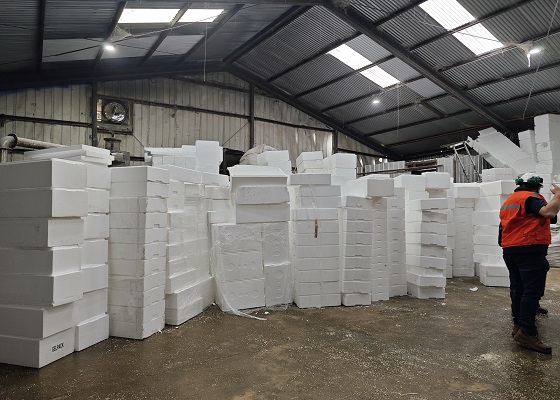
At recycling exhibition sites, the demonstration areas for foam densifiers are always crowded. Staff members feed piles of EPS (Expanded Polystyrene) and EPP (Expanded Polypropylene) foam waste—such as packaging for exhibition promotional materials and electronic appliance buffers—into the machine. In just a few minutes, the fluffy foam is compressed into dense blocks with a density of 900-1100 kg/m³, reducing its volume to 1/10 to 1/30 of its original size. This process intuitively demonstrates the machine’s core advantage: solving the “difficult transportation and storage” pain points for recyclers. Previously, recyclers needed multiple trucks to transport 1 ton of foam waste, and storage occupied a lot of space. With a foam densifier, one truck can carry the equivalent of what 10 trucks used to hold, cutting transportation and storage costs by 60%-80%.
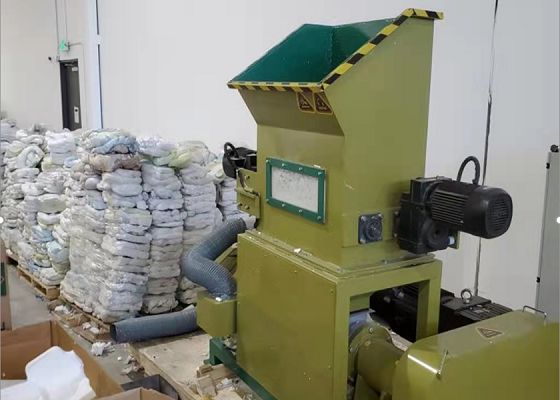
Beyond efficient volume reduction, foam densifiers also help recyclers open up profit channels. At exhibitions, the top concern for recyclers is always “whether they can make money.” The dense foam blocks have high purity and stability, making them highly sought-after by recycled plastic factories. Recyclers can sell these blocks directly at a price of 3,000-4,000 yuan per ton, significantly increasing profit margins compared to selling loose foam at low prices. Many recycled plastic enterprises also sign cooperation agreements with recyclers equipped with foam densifiers at the exhibitions, forming a closed industrial chain of “collection-densification-recycling.”
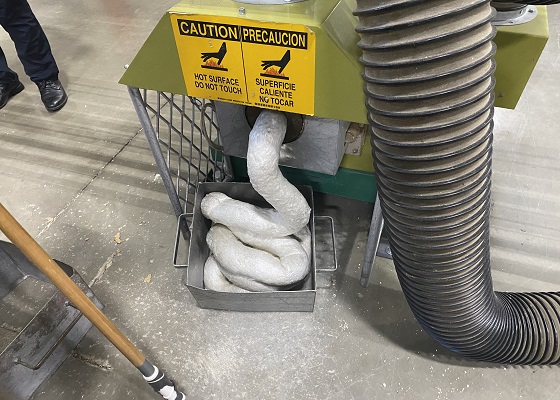
What makes foam densifiers even more appealing to recyclers is their adaptability. The foam densifiers showcased at exhibitions include models with a capacity of 100 kg/h, suitable for small and medium-sized recycling points, as well as models with a capacity of over 300 kg/h for large-scale recycling plants. They are easy to operate—ordinary employees can master them after short-term training. Meanwhile, the machines have low energy consumption and low failure rates, keeping long-term operating costs manageable, which aligns with recyclers’ needs for “cost reduction and efficiency improvement.”
In the forum sessions of recycling exhibitions, many senior recyclers shared their experiences with foam densifiers: “We used to hesitate to collect foam, but now with densifiers, we take the initiative to go out and collect it, doubling our business scope.” It can be said that the outstanding performance of foam densifiers at recycling exhibitions not only provides practical solutions for recyclers but also drives the foam recycling industry toward a more efficient and sustainable future.