Harm of discarded styrofoam to wildlife
Styrofoam is widely used in packaging, construction, food service and other fields. However, due to its difficult-to-degrade nature, discarded foam plastics have become one of the main sources of environmental pollution and pose a serious threat to wildlife. Wild animals, especially marine animals, often mistake styrofoam beads floating on the water for food. Whales, turtles, seabirds, etc. often ingest these foams, causing their digestive systems to become clogged and unable to eat, and they may eventually die from starvation. In addition, harmful chemicals in foam plastics can accumulate in animals’ bodies and affect their health.
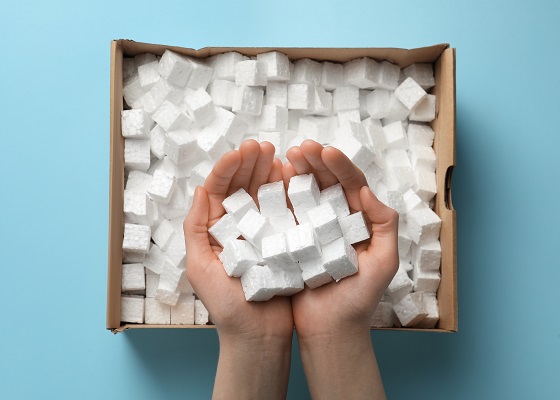
Styrofoam not only poses a threat to marine life, but also destroys the habitat of terrestrial wildlife. Wind and rain carry foam fragments into forests, rivers and lakes, disrupting the balance of ecosystems. These fragments may be accidentally eaten by small land animals, or block water sources, affecting the normal operation of the biological chain.
In order to avoid this from happening, we must actively recycle styrofoam. Using styrofoam compactor for recycling can help maintain the balance of the ecosystem.
Recycling waste with styrofoam compactor
In order to reduce the harm of waste foam to the environment and wildlife, recycling has become an effective solution. Among them, Styrofoam Compactor plays an important role in the recycling process. Styrofoam compactor uses physical compression to compress bulky waste materials into blocks with higher density and smaller volume.This not only reduces transportation and storage costs, but also facilitates subsequent recycling. The compressed foam plastic can be reprocessed into plastic particles and used to make new plastic products, forming an ecological chain of recycling.
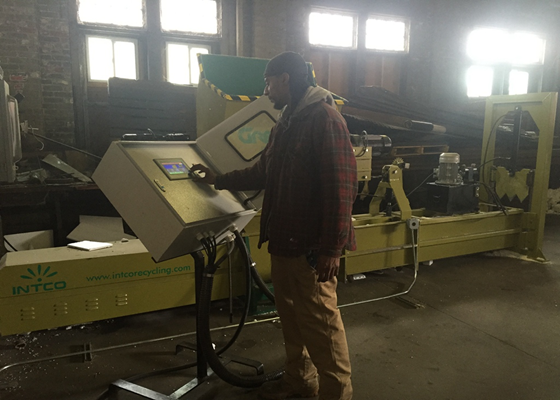
Using styrofoam compactor for recycling can significantly reduce the environmental burden of foam. The compressed foam plastic is not easily blown away by the wind, reducing the chance of entering the natural environment and reducing the risk of wild animals eating by mistake and habitat destruction from the source. In addition, through recycling and reuse, the need for virgin styrofoam can be reduced, reducing resource consumption and environmental pollution.
Waste foam poses a serious threat to wildlife and the environment, however, these crises can be greatly mitigated through effective recycling measures, especially the utilization of styrofoam compactors